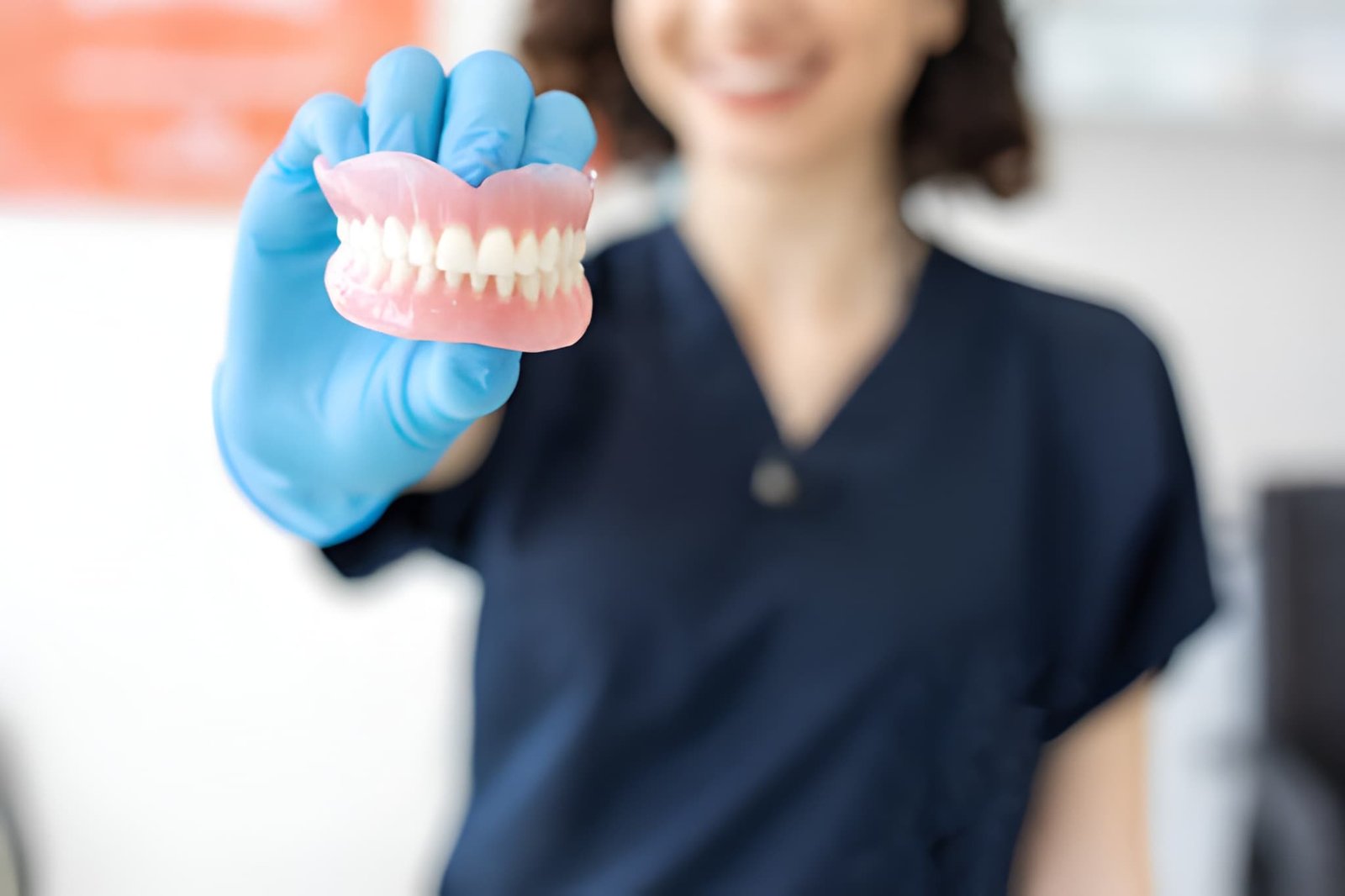
Do I Have to Go Without Teeth While Waiting for Dentures?
Many people wonder whether they must go toothless while waiting for dentures. Fortunately, modern dentistry offers several temporary solutions to avoid a completely toothless smile. This guide explains the waiting process, addresses common challenges, and helps you manage daily life confidently until your permanent dentures are ready.
Why You Might Need to Wait for Dentures
The denture process can take time because your gums and bone need to heal after tooth extraction. Creating a custom, well-fitting denture also involves several precise steps in the dental lab, ensuring comfort, function, and a natural appearance. Healing allows for a stable foundation, which is vital for denture success.
Timeline Expectations for Denture Fitting
Generally, conventional dentures take about six to twelve weeks following extraction. Immediate dentures can be provided right after tooth removal, but these might need adjustments as your mouth heals. Your dentist will discuss the most suitable timeline for your situation.
Immediate vs. Conventional Dentures
Immediate dentures are fitted straight after your teeth are extracted, allowing you to avoid going without teeth. However, as your gums and bone shrink during healing, these dentures may loosen and require relining.
Conventional dentures are made once your gums have healed. Although this means a short waiting period without teeth, the final result is usually more stable and comfortable.
Do You Have to Go Toothless While Waiting?
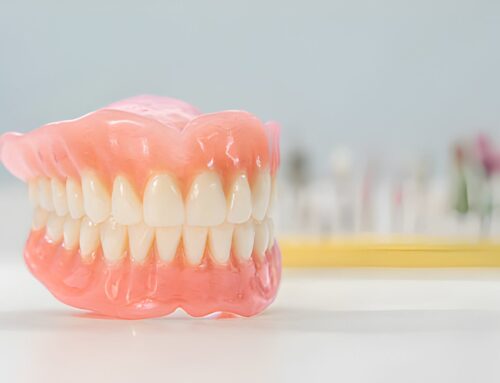
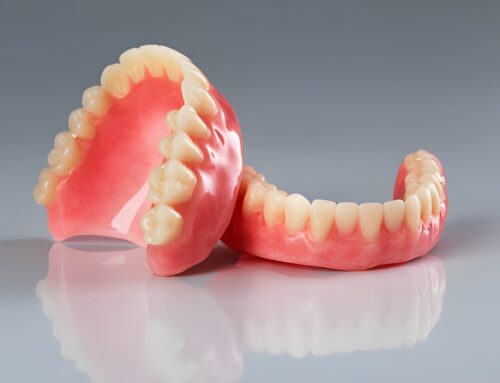
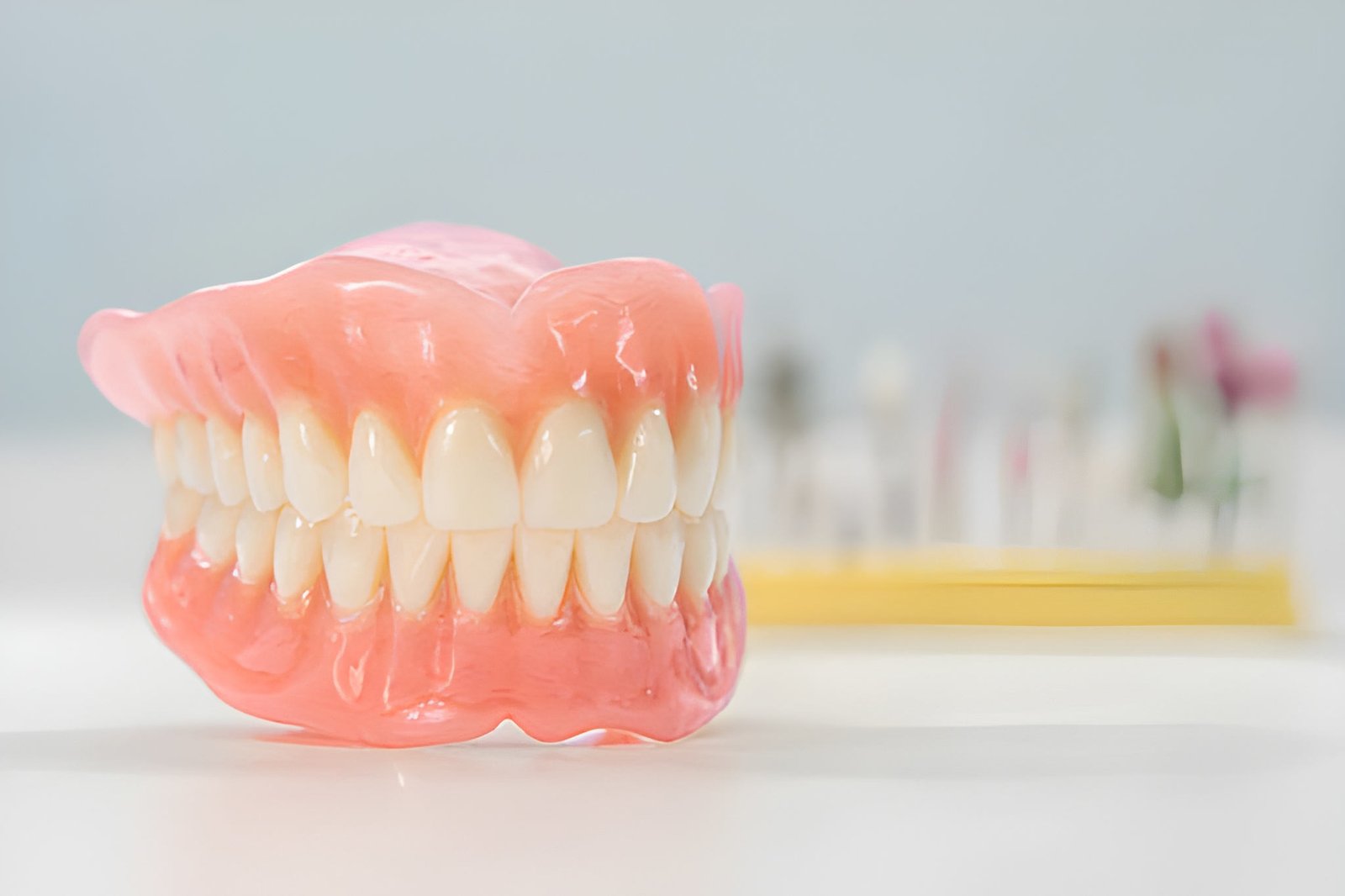
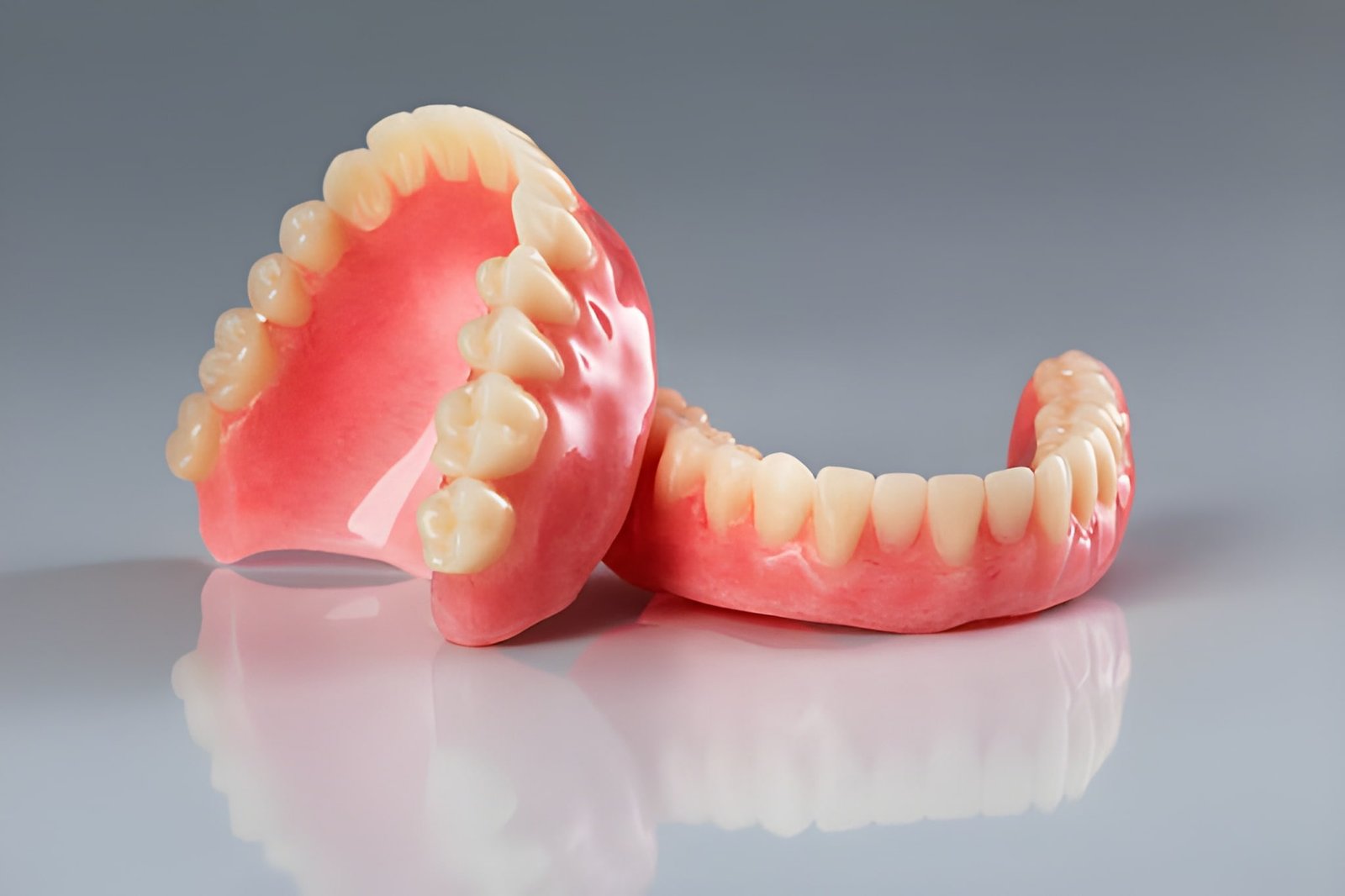
Not necessarily. Temporary dentures, also known as immediate dentures or flippers, are designed to fill the gap during healing. These are aesthetic and functional stopgaps that help you maintain confidence and normal activities until your permanent set is ready.
Temporary Toothless Life
If you do spend some time without teeth, it’s usually short-lived. During this period, focus on gentle gum care, proper nutrition, and emotional support to maintain your overall well-being.
Emotional and Social Impact of Missing Teeth
Losing teeth can affect more than your smile; it can influence your confidence, speech, and social interactions. While this time can be challenging, remember it’s temporary. Many patients find comfort knowing their new dentures will soon restore both form and function.
Eating and Dietary Adjustments
Chewing without teeth is difficult, so a soft diet is often recommended. Foods like mashed vegetables, soups, yoghurts, and smoothies are easy to eat and still nutritious. Once you receive dentures, start with soft foods before gradually introducing firmer textures as you adjust.
Mastering the Art of Chewing with Dentures
Chew slowly and evenly on both sides of your mouth. Take smaller bites and cut food into manageable pieces. Practising patience during meals will help you feel more natural and avoid discomfort.
Speech and Communication While Waiting
Missing teeth or wearing new dentures can temporarily affect speech clarity. Practising speaking aloud, reading, or singing can help you adapt faster. Lisping or slight pronunciation issues typically fade as your muscles adjust to your new oral structure.
Taking Care of Your Mouth During the Waiting Period
Even without teeth, oral hygiene remains essential. Gently brush your gums, tongue, and palate with a soft-bristle toothbrush twice a day. Rinsing with saltwater promotes healing and keeps bacteria at bay. Regular dental check-ups ensure your gums heal properly for denture fitting.
Understanding the Denture Fabrication Process
Creating dentures involves several stages: impressions, bite registration, try-ins for appearance and comfort checks, and final fabrication. Each step ensures your dentures look natural and fit comfortably. Precision at every stage is what makes a great denture lab valuable.
Customisation and Fitting Process
Every denture is personalised to your mouth. The shape, shade, and alignment of artificial teeth are customised to give you a confident, natural-looking smile.
How Bone Loss Affects Denture Fit
After tooth loss, the jawbone begins to shrink due to a lack of stimulation from roots. Over time, this can make fitting dentures more challenging. Regular dental visits and possible bone grafting can help maintain bone structure, ensuring your dentures remain comfortable.
Will Jawbone Loss Stop Me from Getting Dentures?
In most cases, no. Even if your jawbone has thinned, modern dental techniques and denture designs can accommodate various bone conditions. Your dental team will provide solutions tailored to your needs.
Oral Care Tips After Getting Dentures
Once your dentures are fitted, keeping them clean is vital. Use a soft brush or denture-specific cleaner, rinse after meals, and avoid harsh chemicals. Store them in water overnight to maintain their shape. Clean gums before reinserting dentures each morning to ensure comfort and hygiene.
Learn How to Clean Dentures in Four Easy Steps
- Remove and rinse dentures after eating.
- Brush gently with a mild cleanser or denture paste.
- Rinse thoroughly to remove any cleaning solution.
- Soak overnight in clean water or denture solution.
Reclaim Your Beautiful Smile
A well-made denture restores more than your smile—it brings back confidence, comfort, and quality of life. With the right care and patience during the waiting period, you can look forward to a natural-looking, well-fitting denture that feels truly your own.
Call to Action: Ready to restore your smile? Schedule your denture consultation today and take the first step towards a confident, comfortable future.
Get Expert Guidance While Waiting for Dentures
Waiting for dentures can feel uncertain, especially if you are concerned about comfort, appearance, or daily activities such as eating and speaking. Visiting a trusted denture clinic in Broxburn can help you understand your options during the healing period, including temporary dentures or immediate solutions that allow you to maintain your smile.
Broxburn Smile Centre provides personalised care for patients who are replacing missing teeth and waiting for their dentures. The experienced dental team will guide you through every stage of the denture process, from consultation and treatment planning to the final fitting, ensuring comfort, function, and a natural-looking smile.
Book an appointment with Broxburn Smile Centre to discuss your denture options and receive professional support while restoring your confident smile.
Frequently Asked Questions
How long does the denture process take?
Typically, the process takes between six weeks and three months from extraction to fitting. However, it can vary depending on healing and lab schedules.
Can I get dentures immediately after my teeth are removed?
Yes, immediate dentures can be fitted on the same day as extraction, allowing you to avoid going without teeth during healing.
How will tooth loss affect my appearance before dentures?
You may notice a temporary change in facial shape or lip support, but denture fitting will restore these natural contours.
What foods are easiest to eat while waiting for dentures?
Opt for soft foods like porridge, scrambled eggs, soups, and mashed fruits. Avoid hard or sticky foods that may cause discomfort in healing gums.
How do I care for my gums while waiting?
Clean your gums gently twice daily with a soft brush or cloth, rinse with warm saltwater, and keep your mouth hydrated to promote healing.