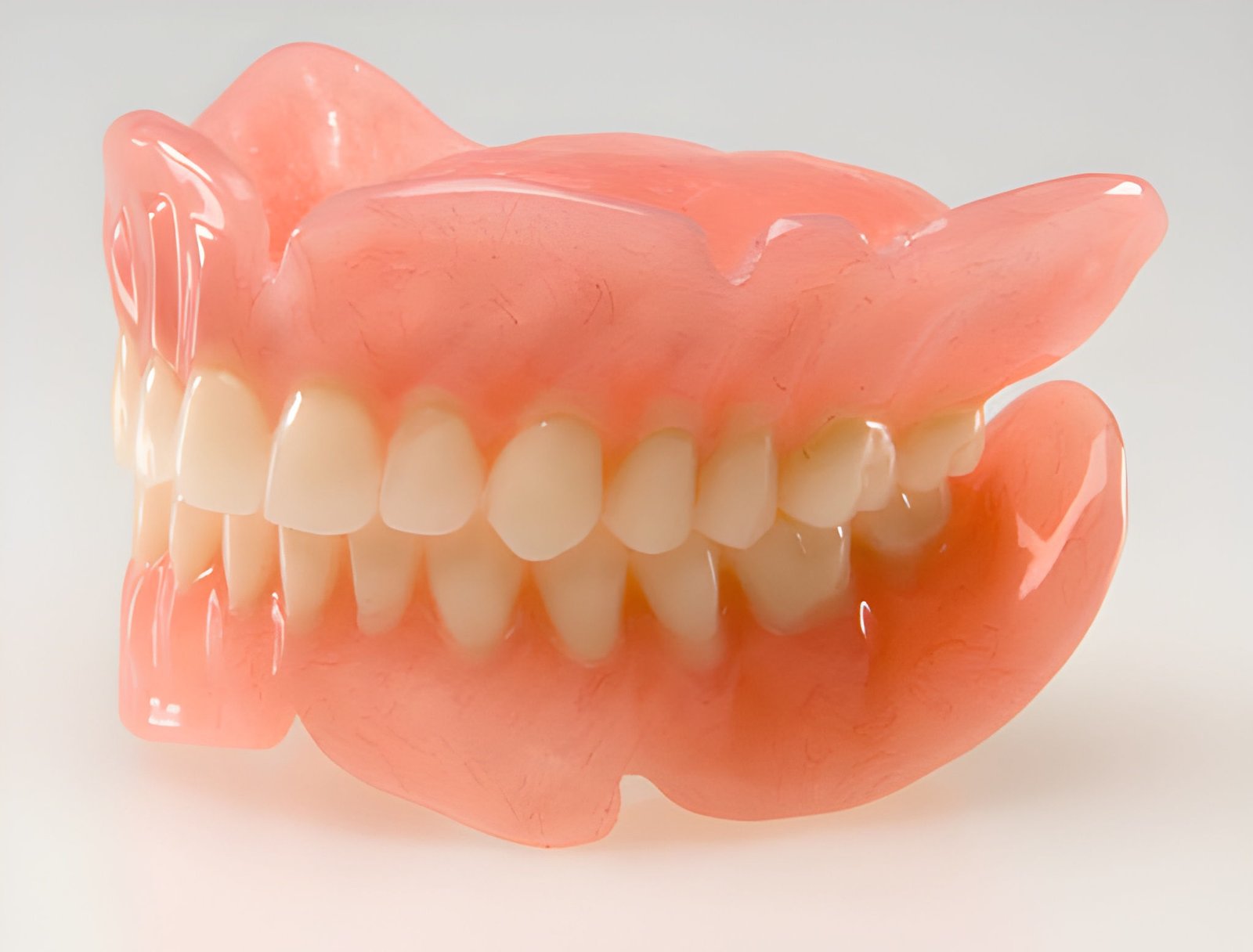
What to Eat with No Teeth While Waiting for Dentures?
When you are waiting for dentures, eating can become a real challenge. Fortunately, there are plenty of nutritious, soft, and easy-to-eat foods that can help you maintain proper nourishment without putting pressure on your gums or jaw. This guide covers the best options, preparation tips, and comfort strategies so you can eat well and feel supported during the transition.
Understanding the Importance of Soft Food
After losing teeth or during denture preparation, your gums and jaw are sensitive. Soft foods reduce strain and discomfort while lowering the risk of irritation. A well-balanced soft diet ensures you continue receiving the nutrients vital for healing and overall health.
Maintaining Nutrition Without Teeth
Without teeth, it’s easy to miss out on important nutrients such as protein, fibre, vitamins, and minerals. To avoid deficiencies, focus on a variety of foods from all major nutrient groups. Consider incorporating smoothies, soups, and pureed meals that can be enriched with protein powders, healthy fats, or soft fruits and vegetables.
Best Foods to Eat Without Teeth
Soft foods do not have to be bland or boring. Here are ten excellent options that are both gentle and nutritious:
1. Scrambled Eggs
Soft, protein-rich, and easy to flavour with a touch of milk or cheese, scrambled eggs are perfect for any meal.
2. Mashed Potatoes
Comforting, filling, and easy to fortify with butter, cream, or mashed vegetables for added nutrition.
3. Well-Cooked or Steamed Vegetables
Carrots, courgettes, and cauliflower can be gently cooked until tender and pureed if needed.
4. Smoothies
An excellent way to blend fruits, leafy greens, yoghurt, and oats for a balanced, easy-to-swallow drink.
5. Flaky Fish
Soft-cooked fish such as salmon or haddock breaks apart easily and delivers healthy omega-3 fats and protein.
6. Yoghurt
Smooth, creamy, and probiotic-rich, plain yoghurt supports gut health and can be mixed with soft fruits or honey.
7. Soup
Soups provide hydration and nutrition. Opt for blended versions packed with lentils, chicken, and vegetables.
8. Oatmeal
Soft and warming, oats can be cooked with milk, mashed bananas, or nut butter to increase calories and protein.
9. Slow-Cooked Meat
Tender cuts slow-cooked in stews or broths until they shred easily are an excellent protein source.
10. Beans
Soft, mashed beans such as lentils, chickpeas, or black beans add fibre, iron, and plant-based protein.
Liquids & Pureed Foods
If chewing is particularly uncomfortable, consider blending your meals into purees or soups. Stock, gravy, or plant-based milk can add flavour and extra nutrients. Smooth blends ensure easy swallowing while minimising gum irritation.
Soft & Easy to Chew Foods
Foods like cottage cheese, puddings, and cooked cereals are ideal additions to your soft-food list. Choose options that require minimal effort to chew but still feel satisfying.
Protein-Rich Foods for Strength
Protein is essential for tissue repair and muscle strength, especially when healing after tooth loss. Eggs, soft fish, dairy, beans, and lentils are great sources. Smooth protein shakes or yoghurt-based drinks are also effective for those needing extra nutrition.
Cooked Vegetables & Fruits
Cooked fruits such as stewed apples, pears, or peaches provide natural sweetness and fibre without discomfort. Avoid fibrous skins until your gums adapt to dentures.
Whole Grains & Legumes
Softened grains like porridge oats, quinoa, and cooked lentils are nutritious, gentle options that promote healthy digestion and sustained energy.
Foods to Avoid Without Teeth
While your gums heal or adjust to dentures, avoid hard, crunchy, or sticky foods such as nuts, raw carrots, crusty bread, and chewy sweets. These can damage soft tissue or cause pain.
Tips for Eating Comfortably Without Teeth
Take your time when eating and use smaller bites. If available, use a food processor to soften meals. Lukewarm foods are more comfortable than those that are very hot or cold. Rinse your mouth gently after eating to keep it clean.
Tips for Preparing Food
Steaming and slow cooking are the best methods to soften ingredients while retaining nutrients. Use blenders or hand mixers to achieve smooth consistencies. If you prefer texture, partially mash foods instead of fully pureeing them.
Cooking Techniques
Moist cooking methods such as steaming, poaching, and stewing make foods easier to consume. Add sauces or gravies for better hydration and flavour.
Maintaining Proper Nutrition While Waiting for Dentures
Meal Plan Suggestions for a Toothless Diet
Breakfast
Try scrambled eggs with mashed avocado, or oatmeal topped with stewed peaches.
Lunch
A soft lentil soup or mashed tuna salad with cottage cheese provides protein and comfort.
Dinner
Slow-cooked chicken stew with blended vegetables and a side of creamy mashed potatoes ensures nourishment and satisfaction.
Snacks & Soft Desserts
Enjoy yoghurt, applesauce, custard, or warm rice pudding for quick, soothing snacks that are gentle yet delicious.
Transitioning to Eating with Dentures
When you first receive your dentures, start with very soft foods before reintroducing firmer textures. Progress gradually as comfort increases. Practice small bites and chew evenly to balance pressure across your gums.
Summary
FAQs
What are the easiest foods to eat without teeth?
Soft foods like scrambled eggs, yoghurt, mashed vegetables, soups, and smoothies are the easiest and most comfortable to eat when you’re without teeth.
Can I eat meat without teeth?
Yes, provided it’s very tender or slow-cooked. Shredded chicken or minced beef works well when softened in sauce or broth.
How can I make my meals more nutritious?
Include a balance of protein, carbohydrates, and healthy fats. Add soft fruits, blended vegetables, and fortified ingredients such as milk or yoghurt for extra nutrients.
Are smoothies good replacements for meals?
They can be when made with balanced ingredients. Combine fruits, vegetables, protein powder, and healthy fats for a filling, nutrient-dense drink.
How do I protect my gums while eating without teeth?
Opt for soft, lukewarm foods, avoid sharp or sticky textures, and rinse gently after each meal to prevent irritation or infection.