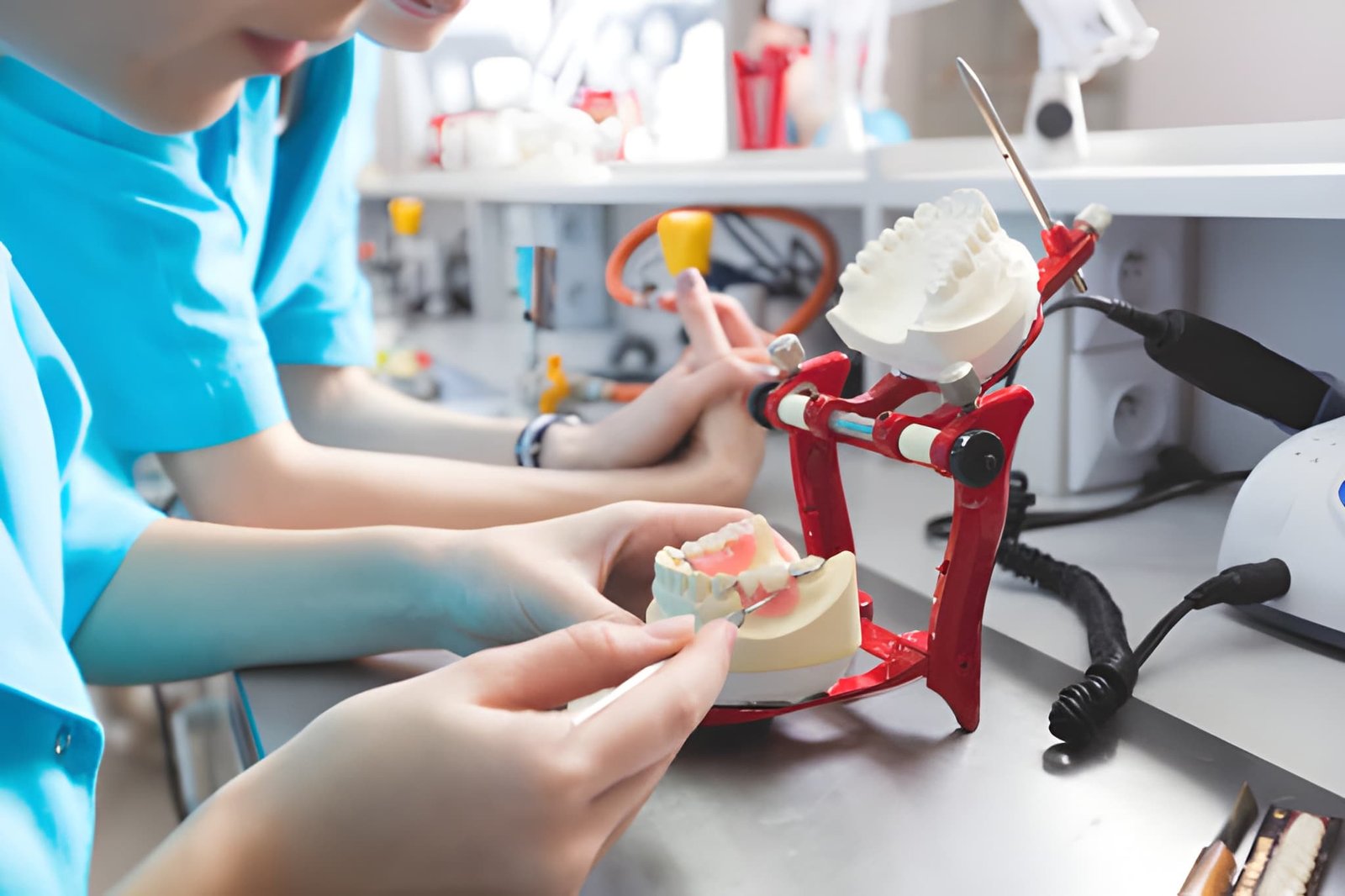
Which Type of Denture is Best?
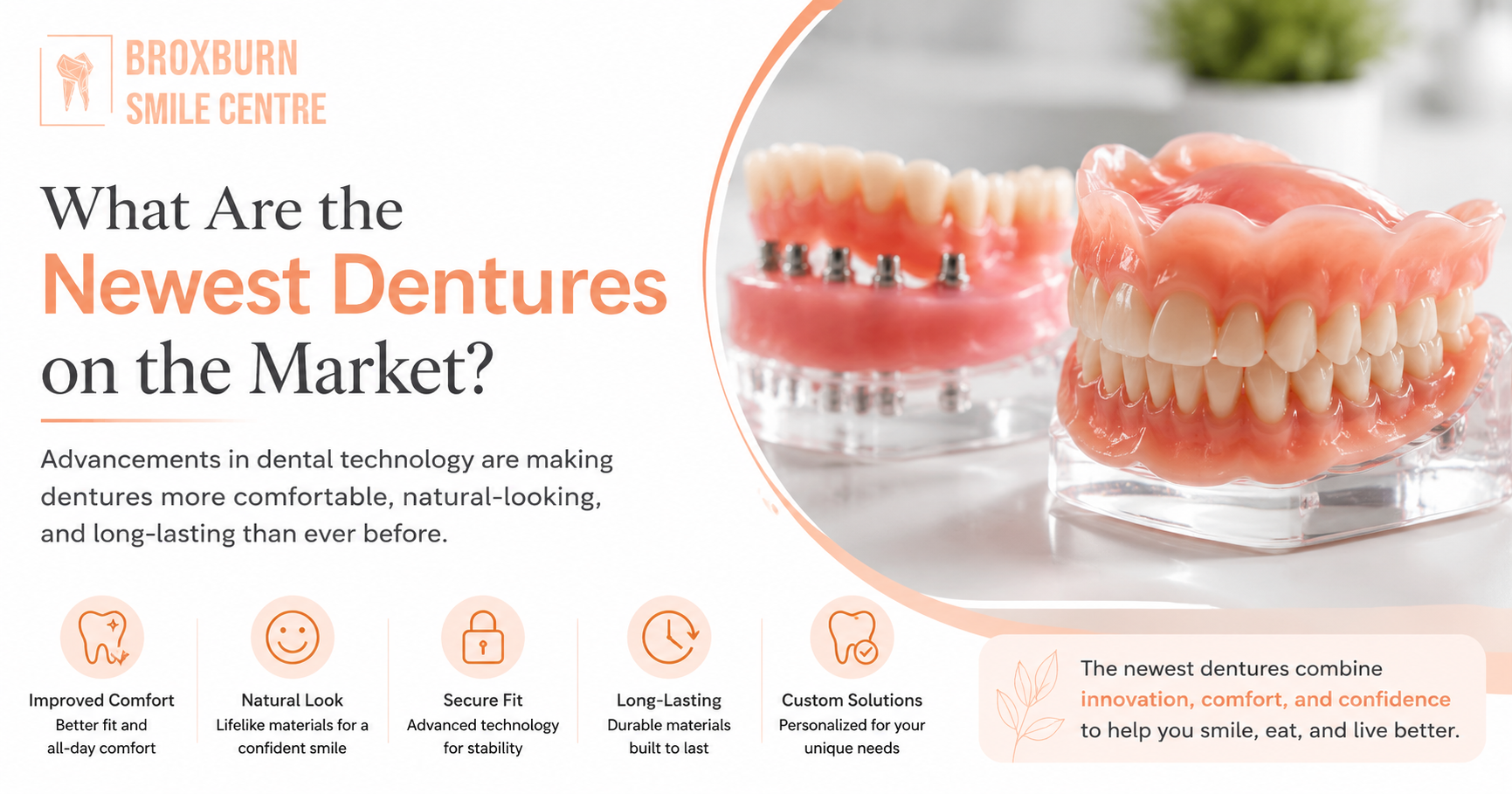
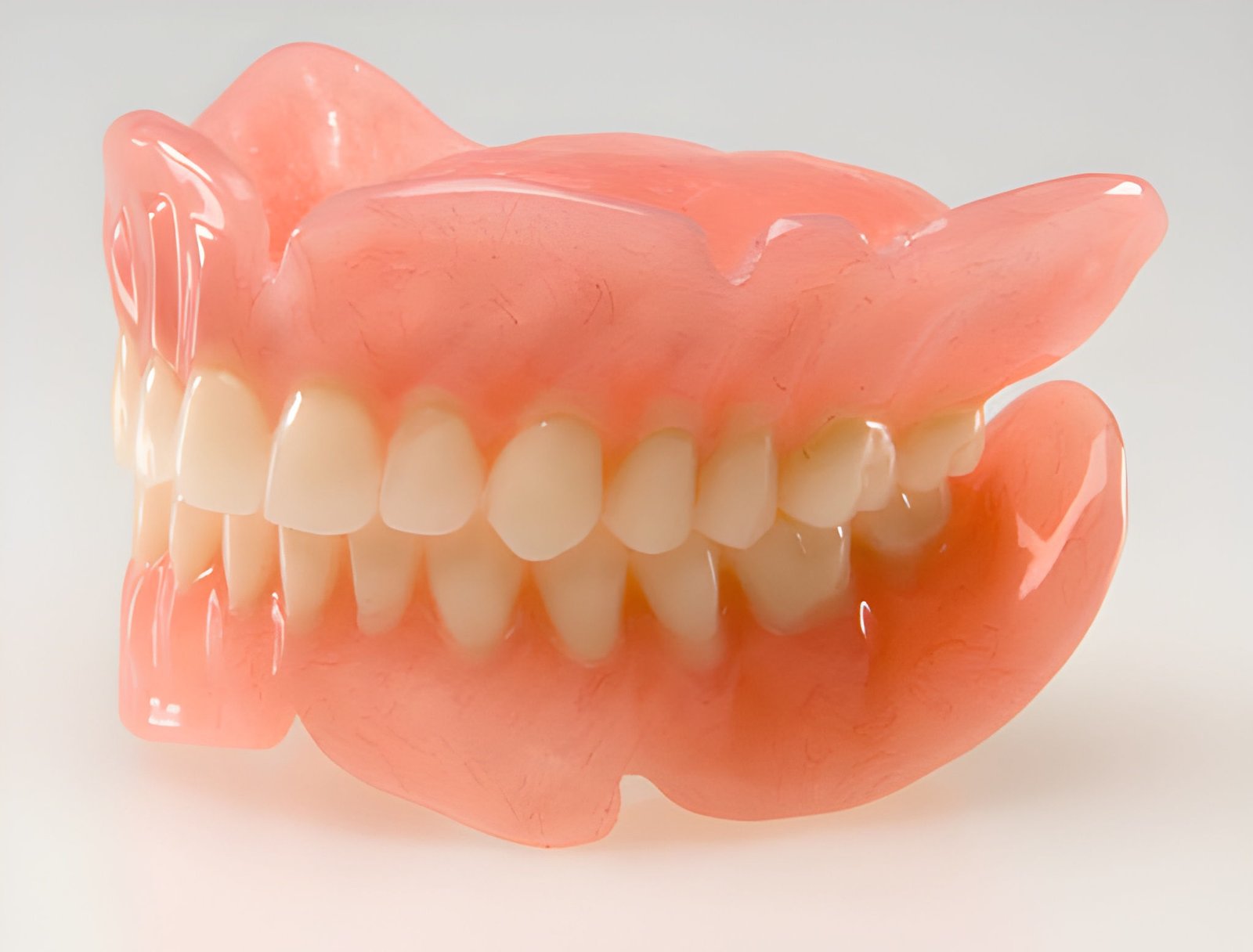
Dentures are custom-made removable replacements for missing teeth and surrounding tissues. They help restore your smile, support facial muscles, and improve speech and chewing. Modern dentures are designed with advanced materials, offering more comfort and a natural appearance than ever before.
Different Types of Dentures
There are several types of dentures available, each suited to specific dental needs and preferences. Understanding their differences helps you choose the most comfortable and effective solution for your smile.
1. Complete Dentures
2. Partial Dentures
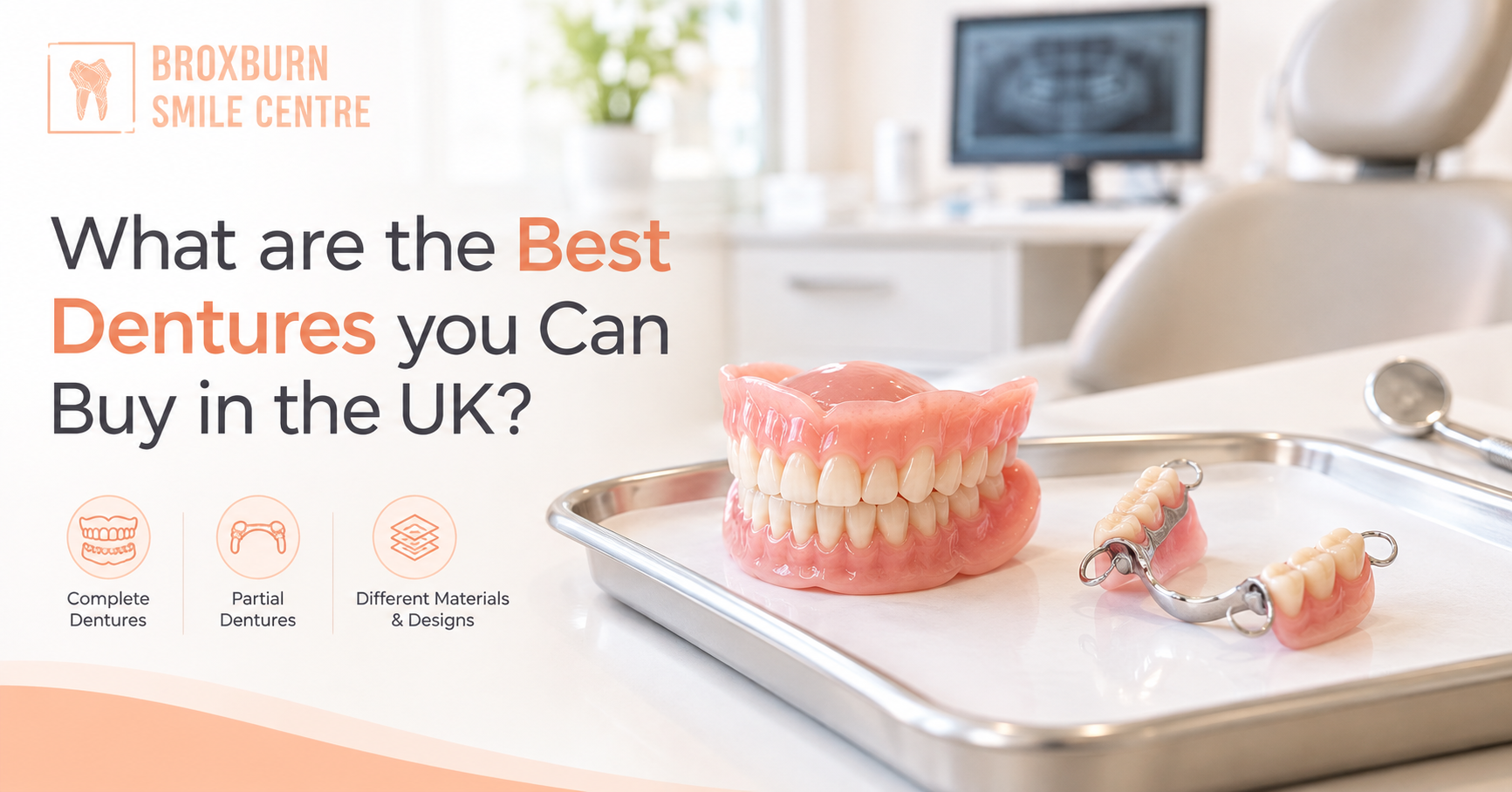
Partial dentures are used when some natural teeth remain. They fill gaps left by missing teeth, preventing neighbouring teeth from drifting out of place. Typically, they attach to existing teeth using a discreet metal or acrylic framework.
3. Immediate Dentures
Immediate dentures are fitted on the same day your remaining teeth are extracted. This means you won’t have to go without teeth while your mouth heals. However, as the gums shrink during recovery, these dentures may need adjustments or relining to stay comfortable.
4. Snap-In Dentures
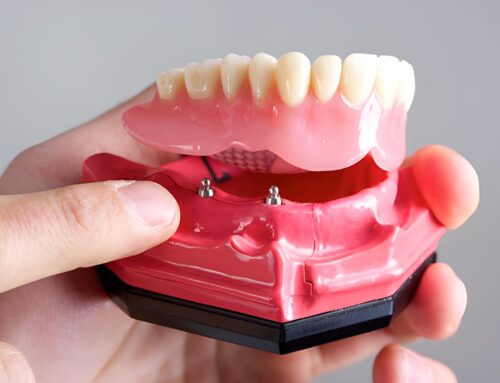
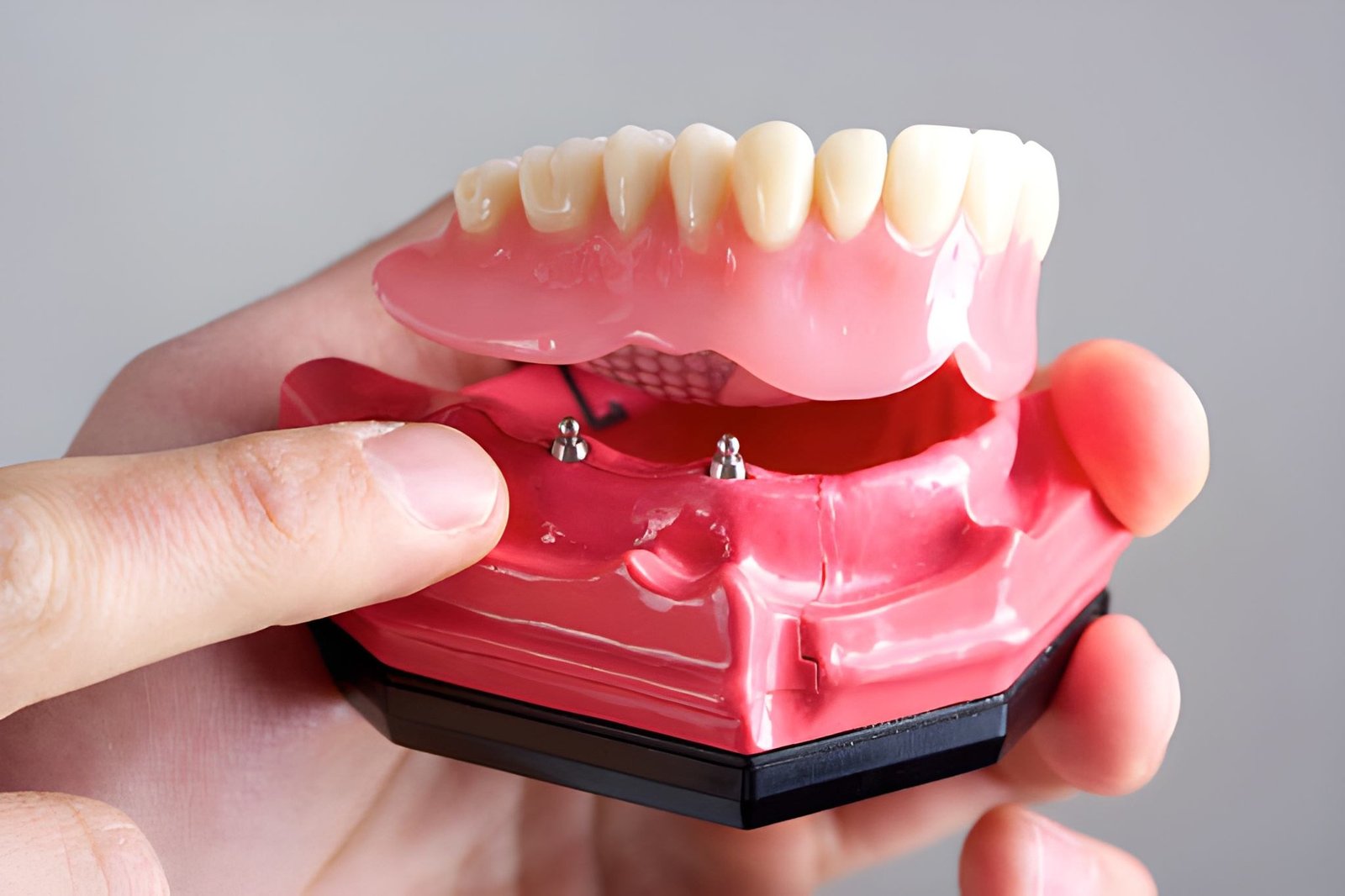
Snap-in dentures, also known as implant-retained dentures, attach to dental implants placed in the jawbone. They offer enhanced stability, reducing slipping and improving chewing efficiency. This type provides the feel of natural teeth while being removable for cleaning.
5. Overdentures
Overdentures rest on top of dental implants or remaining natural tooth roots. They offer superior retention, helping preserve jawbone density. Overdentures are ideal for patients seeking added comfort and stability beyond that of traditional full dentures.
6. Economy Dentures
Economy dentures are a more affordable option, but usually less personalised. They may require more adjustments to achieve a proper fit and can lack the natural look and longevity of higher-quality alternatives.
7. Custom Dentures
Custom dentures are crafted specifically to match the shape, colour, and bite of your mouth. Made from premium materials, they provide a comfortable fit and natural appearance. Though they may cost more, they deliver outstanding comfort and aesthetics.
What Dentures Are Best for You?
The best dentures depend on your oral health, bone structure, budget, and personal preferences. For example, implant-supported dentures may suit those needing stability, while partial dentures may work best for those retaining some natural teeth. A consultation with your dental provider can help determine the ideal option for your lifestyle and needs.
The Process of Getting Dentures
1. Consultation and Assessment
A detailed consultation allows your dentist to assess your oral health, review options, and take impressions of your mouth. They will discuss your expectations, desired aesthetics, and any preparatory dental work required.
2. Making the Dentures
Once the impressions are taken, the dentures are custom-made in a dental laboratory. Several fittings may be scheduled to check comfort, bite alignment, and appearance before final production.
3. Fitting and Adjustments
During the final fitting, the dentures are adjusted to ensure they fit comfortably and function well. Follow-up visits allow your dentist to address any sore spots or issues as your mouth adapts.
Benefits of Dentures
- Restores smile confidence and facial structure.
- Improves speech and chewing ability.
- Affordable solution for tooth loss.
- Customisable for a natural look.
Recovery and Outlook
How Long Does It Take to Get Used to Dentures?
It may take a few weeks to adapt to new dentures. Eating soft foods and practising speaking can ease this transition as your mouth muscles learn to adjust.
How Long Do Dentures Last?
Dentures typically last between five and ten years with good care. Over time, your gums and jaw may change shape, requiring relining or replacement for continued comfort and fit.
How to Care for Your Dentures
Clean dentures daily using a soft brush and mild cleanser. Avoid using regular toothpaste, which can be abrasive. Soak them overnight in a denture solution to maintain shape and hygiene. Regular check-ups ensure optimal fit and oral health.
When Should You Call Your Dentist?
Contact your dentist if your dentures become loose, cause sores, or make eating painful. Persistent discomfort or clicking sounds may indicate that adjustments or repairs are needed.
Alternatives to Dentures
If dentures are not suitable, you might consider dental implants or bridges. Implants are permanent fixtures that replace tooth roots and support crowns, while bridges fill gaps using neighbouring teeth for support. Both offer lasting results with a more natural feel.
Maintaining Natural-Looking Dentures
For the most natural appearance, choose high-quality materials and ensure proper customisation. Regular professional care, gentle daily cleaning, and professional relines help maintain a realistic and comfortable fit.
Is It OK to Sleep with Dentures In?
It’s generally recommended to remove dentures at night to allow your gums to rest and prevent bacterial buildup. Storing them in a clean soaking solution keeps them hydrated and in good shape.
Conclusion
FAQs
1. How do I know which type of dentures I need?
Your dentist will assess your oral health, remaining teeth, and goals before recommending full, partial, or implant-supported dentures tailored to your needs.
2. How often should dentures be replaced?
Dentures usually need replacement every 5–10 years, depending on wear and changes in your mouth’s shape.
3. What foods should I avoid with new dentures?
Avoid sticky or hard foods initially. Start with soft options like soups, eggs, and mashed vegetables until you adjust.
4. How can I make my dentures look more natural?
Opt for custom-crafted dentures that match your natural tooth colour and gum shade. Professional fitting significantly improves aesthetics.
5. Can dentures improve my speech?
Yes. Once adjusted properly, dentures help improve speech clarity by restoring tongue and lip positioning.