Dental Implants With Gum Disease? Broxburn Smile Centre
Yes, you can often get dental implants even if you have gum disease. However, the gum disease must be treated and brought under control first. Once your gums are healthy and stable, implants can be a safe and lasting way to replace missing teeth.
Gum disease is common. In fact, it is one of the leading causes of tooth loss in the UK. So, if you have gum disease, you might worry that implants are out of reach. The good news is that most people can still get implants. However, a little preparation is needed first. This guide explains how, step by step.
What Is Gum Disease?
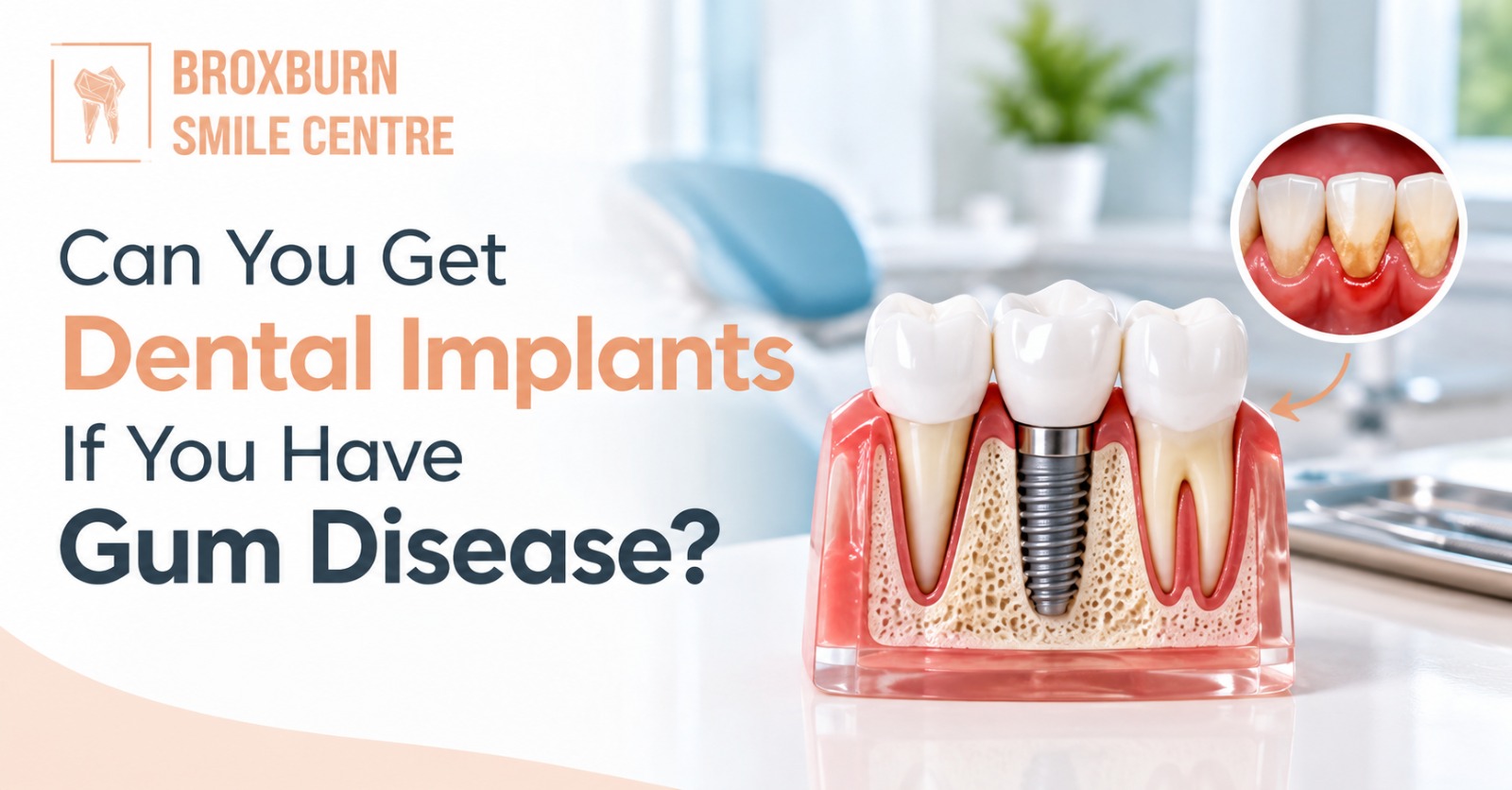
Gum disease, also called periodontal disease, is an infection of the gums. It starts as gingivitis, which causes red or swollen gums. Without treatment, however, it can turn into periodontitis. This more serious stage damages the bone and tissue that hold your teeth in place. Common signs include bad breath, bleeding gums, and loose teeth. Therefore, spotting it early makes treatment much easier.
What Causes Gum Disease?
Plaque build-up is the main cause of gum disease. When plaque is not removed, it hardens into tartar. Over time, this irritates the gums and triggers inflammation. Other factors, such as smoking, poor diet, stress, and certain health conditions, can make things worse. Genetics also plays a role for some people. Fortunately, regular brushing, flossing, and dental checkups help keep plaque under control, so the risk stays low.
How Gum Disease Affects Dental Implants
Gum disease can make implant treatment harder. Therefore, it is important to understand the risks first.
- Active infection can spread to the implant site and slow healing.
- Weak or thin bone often struggles to hold an implant firmly in place.
- Bleeding or swollen gums are a sign that disease is still active.
- Peri-implantitis is gum disease around an implant, and it can cause the implant to fail.
- Once gum disease is under control, healing usually improves a great deal.
As a result, most dentists will not place an implant while infection is present. Instead, they treat the gums first. This gives the implant the best possible chance of success. Meanwhile, ignoring gum disease often leads to further bone loss, which can limit your options later on. So, early action really does pay off.
Steps to Prepare for Dental Implants With Gum Disease
So, what does the process actually look like? Here is a simple, step-by-step guide.
Step One: Get a Full Gum Assessment
First, your dentist checks your gums and bone. This helps them see how much damage gum disease has caused. It also helps them plan the right treatment for you. Usually, this includes a scan, so the dentist can see the bone clearly.
Step Two: Treat the Active Infection
Next, your dentist clears the infection. This often involves a deep clean, also known as scaling and root planing. It removes plaque and bacteria from below the gum line. Additionally, some patients benefit from laser treatment, which helps the gums heal faster.
Step Three: Let Your Gums Heal
After treatment, your gums need time to heal and settle. This stage is essential, so it should never be rushed. Most people wait a few months before moving forward. During this time, good brushing and flossing really matter, since they keep new infection away.
Step Four: Bone Grafting, If Needed
Sometimes, gum disease causes bone loss. If this happens, a bone graft can rebuild the area. As a result, the jaw becomes strong enough to support an implant. Although this adds extra healing time, it greatly improves the long-term outcome.
Step Five: Implant Placement
Finally, once your mouth is healthy and stable, your dentist can place the implant. From this point, your implant should heal well, provided you follow good aftercare. In most cases, the implant then fuses with the bone over several months.
Signs Your Gums Are Ready for Implants
Before moving ahead, your dentist will check for these signs:
- No active infection or ongoing gum disease.
- No bleeding when you brush or floss.
- No swelling, pus, or tenderness in the gums.
- Stable bone levels, confirmed by a scan.
- A steady, consistent oral hygiene routine.
If all these boxes are ticked, then implant treatment can usually proceed with confidence.
Benefits of Treating Gum Disease Before Implants
Treating gum disease first brings real benefits. Overall, it gives you a stronger, safer result.
- Higher success rate for the implant.
- Longer-lasting results, since the foundation is healthier.
- Reduced risk of infection around the new implant.
- Healthier gums and teeth overall.
- Greater peace of mind throughout treatment.
Who May Need Extra Care or Alternative Options
Some people need a little more planning. For example, smokers often heal more slowly, so quitting beforehand helps a lot. Similarly, people with uncontrolled diabetes may face a higher risk of complications. Additionally, severe bone loss sometimes limits where an implant can go.
Even so, this does not always rule out implants. In many cases, alternative treatments can still help. These include:
- Bone grafting to rebuild lost bone.
- Implant-supported bridges for extra stability.
- Removable dentures as a short-term solution while gums heal.
Ultimately, your dentist will recommend the best path for your situation, based on your gum health, bone levels, and overall wellbeing.
What About Cost and Time?
Naturally, many people also want to know about cost and timing. Treating gum disease first does add extra appointments. However, it also protects your investment, since a failed implant often costs more to fix later. Timelines vary, but most patients move from gum treatment to implant placement within six to twelve months. During your consultation, your dentist will give you a clear plan, so there are no surprises along the way.
Aftercare Tips to Protect Your Implant
Once your implant is placed, ongoing care matters just as much as the surgery itself. So, keep these habits in mind:
- Brush twice a day and clean around the implant carefully.
- Floss daily, or use a special implant brush if recommended.
- Attend regular checkups, so problems are caught early.
- Avoid smoking, since it slows healing and raises failure risk.
- Contact your dentist quickly if you notice bleeding or swelling.
By following these steps, you give your implant the best chance of lasting for many years. In addition, keeping up with these habits also protects your natural teeth and gums, so your whole mouth stays healthier for longer. After all, prevention is always easier than treatment.
Frequently Asked Questions
Can I get implants with receding gums?
Often, yes. If the recession is mild and the bone underneath is strong, an implant can usually go ahead. However, if the gum loss is severe, a gum graft may be needed first.
How long do I need to wait after gum disease treatment?
This varies from person to person. In many cases, three to six months of healing is enough. If a bone graft is needed, though, healing can take longer.
Is bone grafting always necessary?
No, not always. Bone grafting is only needed when there has been significant bone loss. Your dentist will check this with a scan before deciding.
Can smokers get dental implants with gum disease?
Yes, but the risk of complications is higher. Therefore, quitting smoking before and after surgery is strongly advised.
What happens if gum disease comes back after implants?
If gum disease returns, it can lead to peri-implantitis around the implant. So, regular checkups and good home care are essential to prevent this.
Does gum disease treatment hurt?
Not usually. Most treatments, such as scaling and root planing, cause only mild discomfort. Your dentist can also offer numbing gel or local anaesthetic if needed.
Can I still get implants if I have lost most of my teeth to gum disease?
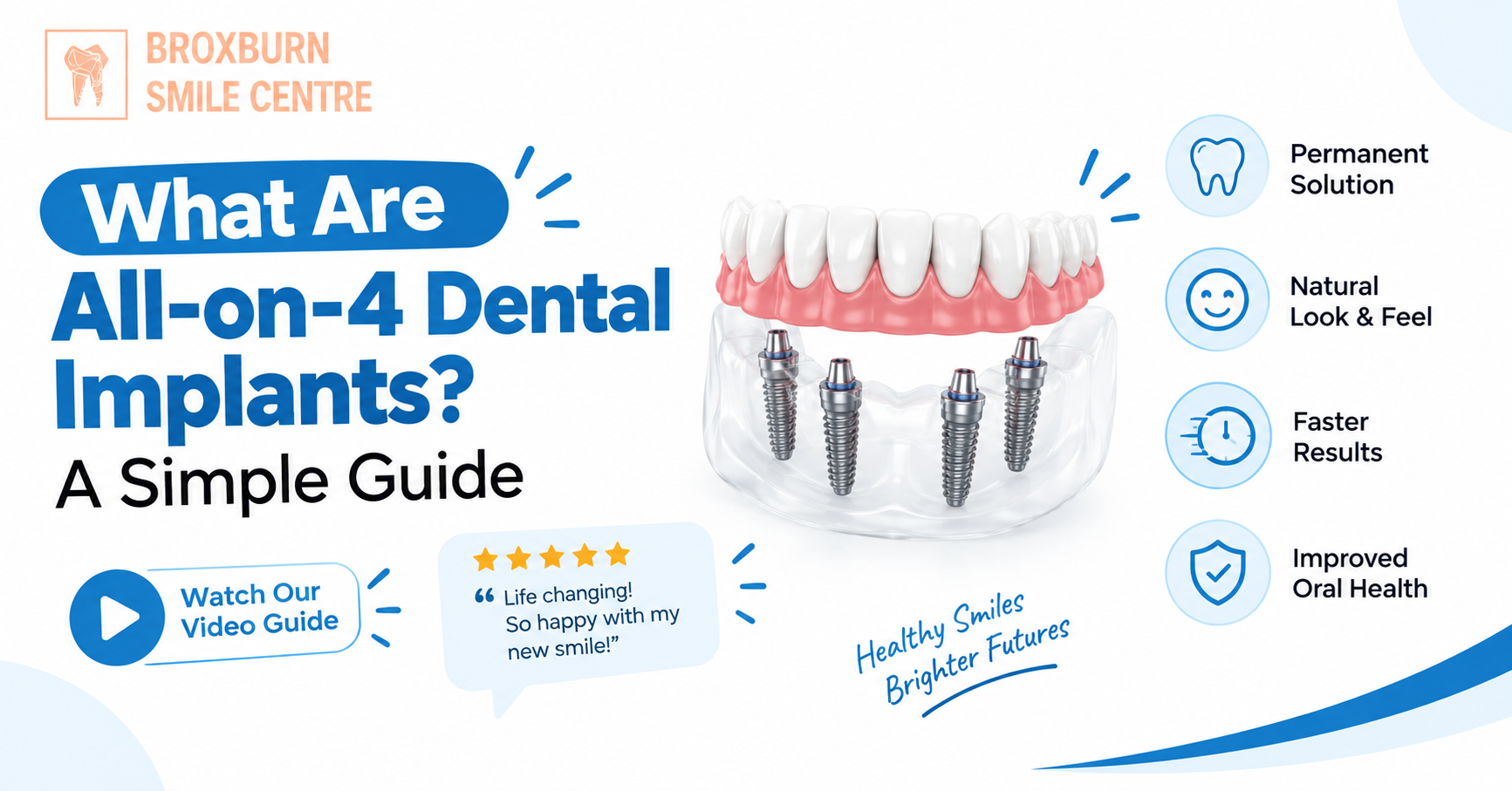
Yes, in many cases. Options such as implant-supported bridges or full-arch solutions can replace several teeth at once, even after extensive gum disease.
Get Dental Implants Near Broxburn
If you have gum disease and you are considering implants, you do not have to figure it out alone. At Broxburn Smile Centre, our team will assess your gum health, explain your options clearly, and guide you through every step. Whether you need gum treatment first or you are ready to plan your implant, we are here to help, every step of the way.
So, if you are searching for dental implants near Broxburn, get in touch today. Book your free consultation with Broxburn Smile Centre, and let us help you take the first step towards a healthy, confident smile.
Also read: Why No Dairy After a Dental Implant?