How Much Do Dentures Cost in the UK? Complete Guide
Dentures in the UK vary depending on the type, materials used, and whether you choose NHS or private treatment. Understanding the different options available helps you make an informed decision that suits your needs, comfort preferences, and long-term oral health goals.
What Are Complete and Partial Dentures?
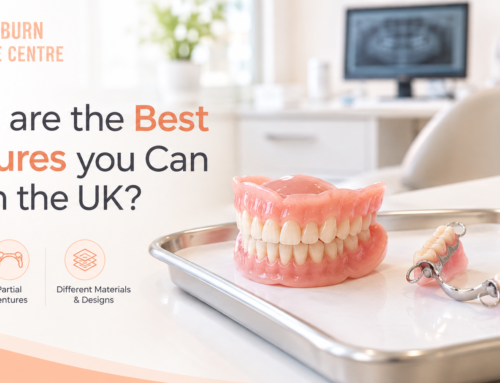
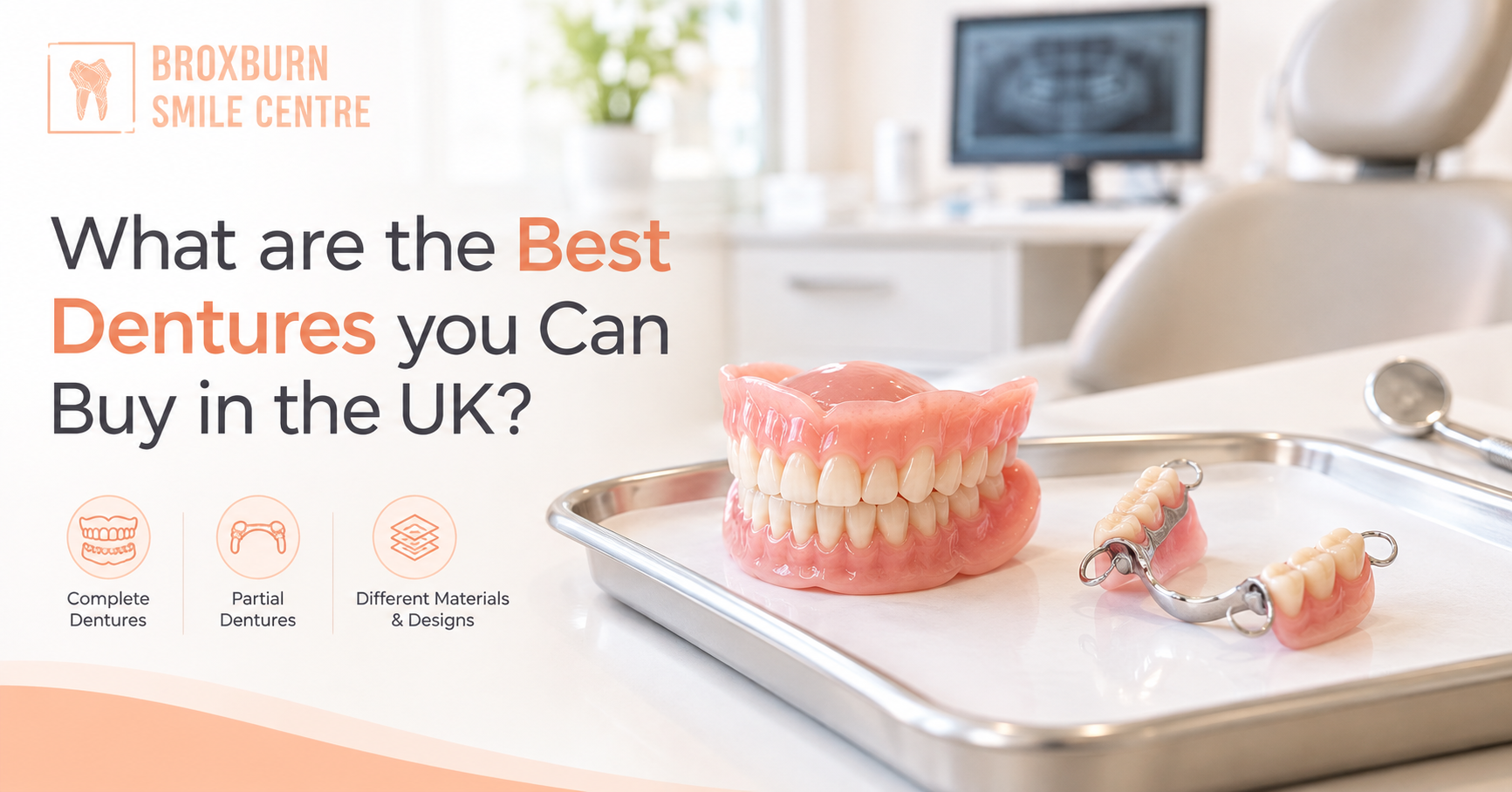
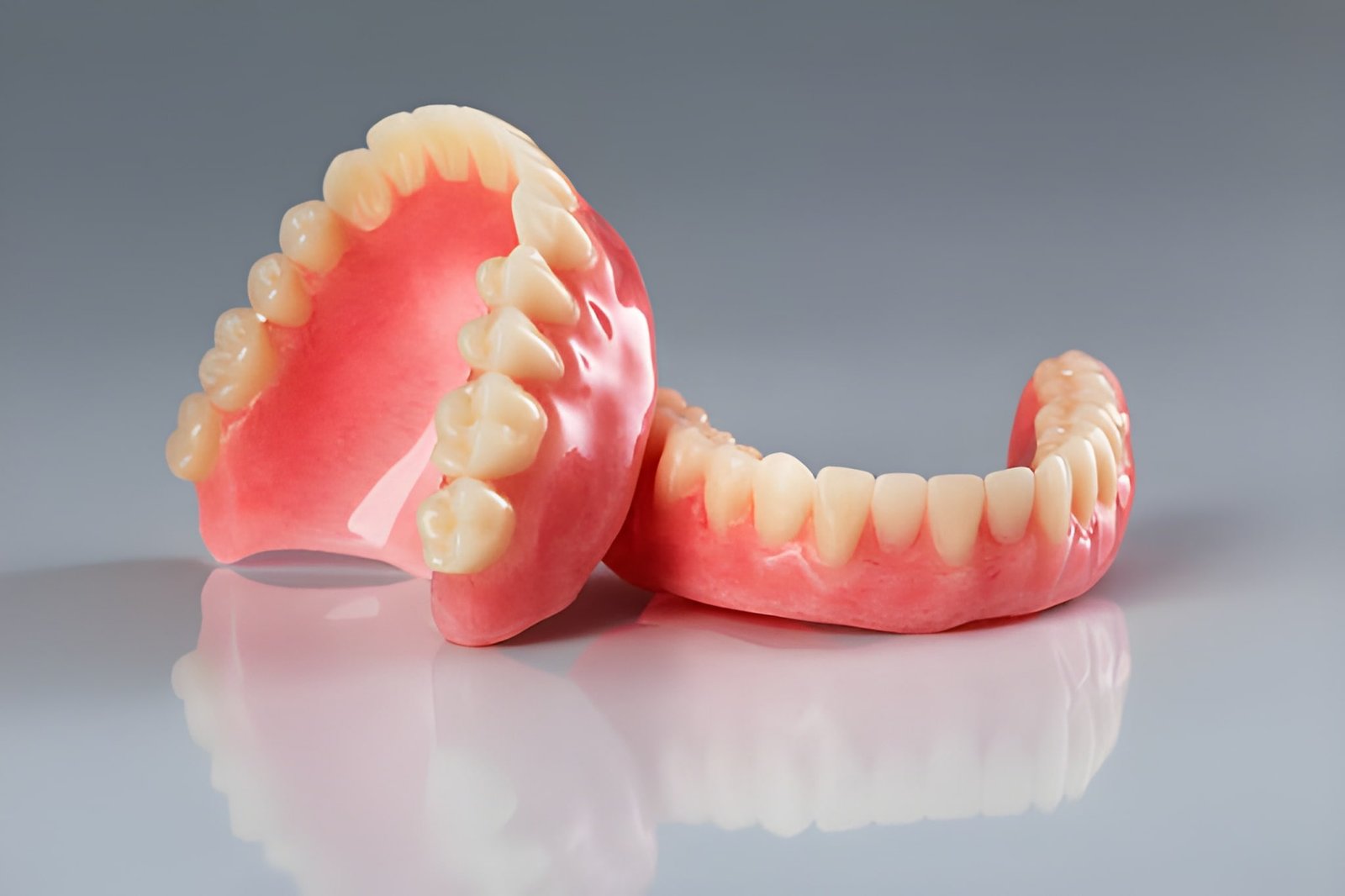
Complete dentures replace all teeth in either the upper or lower jaw. They are usually made from acrylic and restore both appearance and function.
Partial dentures replace a few missing teeth and attach to your natural teeth using a metal or acrylic framework. Both types are practical, durable solutions for tooth loss, but they differ in design, materials, and aesthetics.
Complete Dentures
A full set of dentures replaces an entire arch of missing teeth. Modern complete dentures are designed to look natural and support facial structure.
The final result depends on:
The materials used
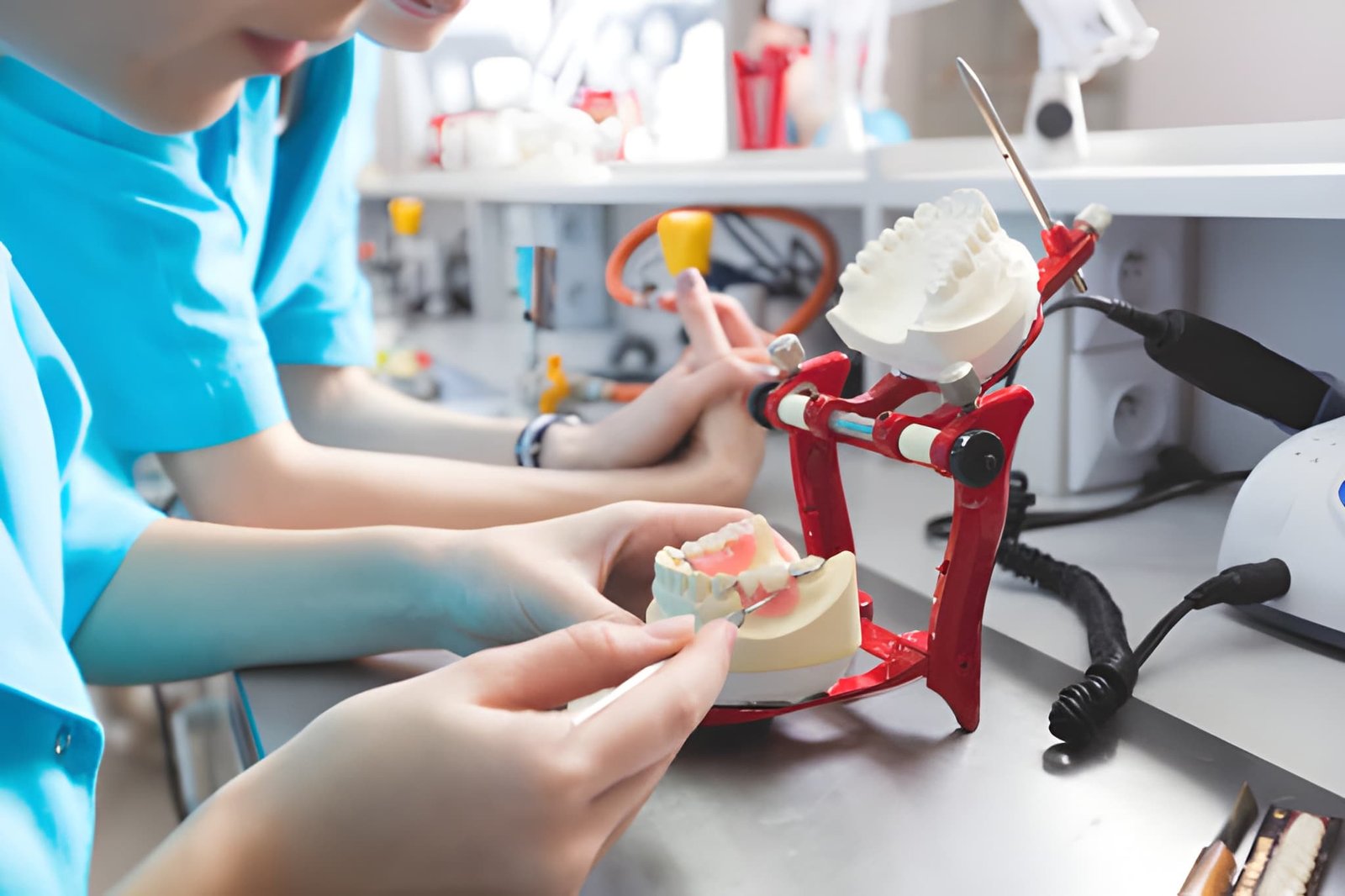
The skill of the dental technician
The precision of impressions
The aesthetic customisation chosen
Higher-quality dentures tend to offer improved realism and comfort.
Partial Dentures
Partial dentures are designed to replace one or several missing teeth while preserving remaining natural teeth.
They differ based on:
The number of teeth being replaced
The type of framework
The design complexity
The level of aesthetic detailing
Partial Denture Material Options
Material selection plays an important role in durability and comfort.
Acrylic – Lightweight and suitable for short- to medium-term use.
Metal (Cobalt-Chrome) – Stronger, thinner, and more stable.
Flexible Thermoplastic – Lightweight, comfortable, and blends well with gum colour.
Each material offers different benefits depending on the patient’s needs.
NHS Dentures
Under the NHS, dentures are provided as part of Band 3 dental treatment. This includes diagnosis, impressions, fittings, and necessary adjustments.
NHS dentures are functional and reliable, but material and aesthetic choices are more limited compared to private treatment.
Private Dentures
Private dental care offers a wider range of materials, finishes, and customisation options. This allows for enhanced comfort, improved aesthetics, and personalised aftercare.
Patients choosing private treatment often benefit from:
More natural tooth shapes and shading
Improved gum detailing
Enhanced fit and comfort
Greater design flexibility
Single Tooth Denture
A single tooth denture, sometimes called a flipper tooth, replaces one missing tooth. It is commonly used as a temporary solution while waiting for a more permanent treatment, such as an implant or bridge.
Adding a Tooth to an Existing Denture
It is possible to add a new tooth to an existing denture if additional teeth are lost. The process usually involves adjustments to ensure proper fit and balance.
Implant-Supported Dentures
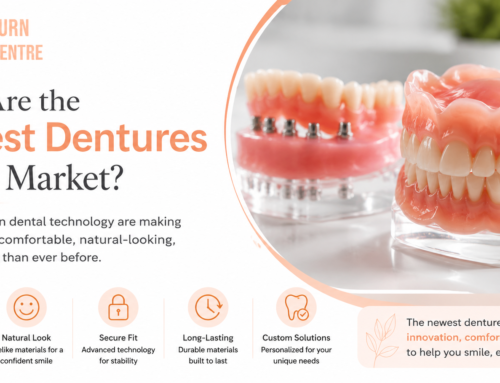
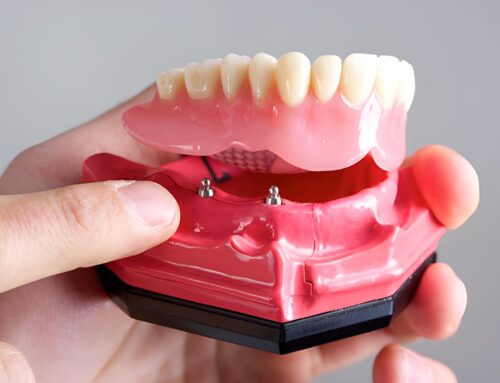
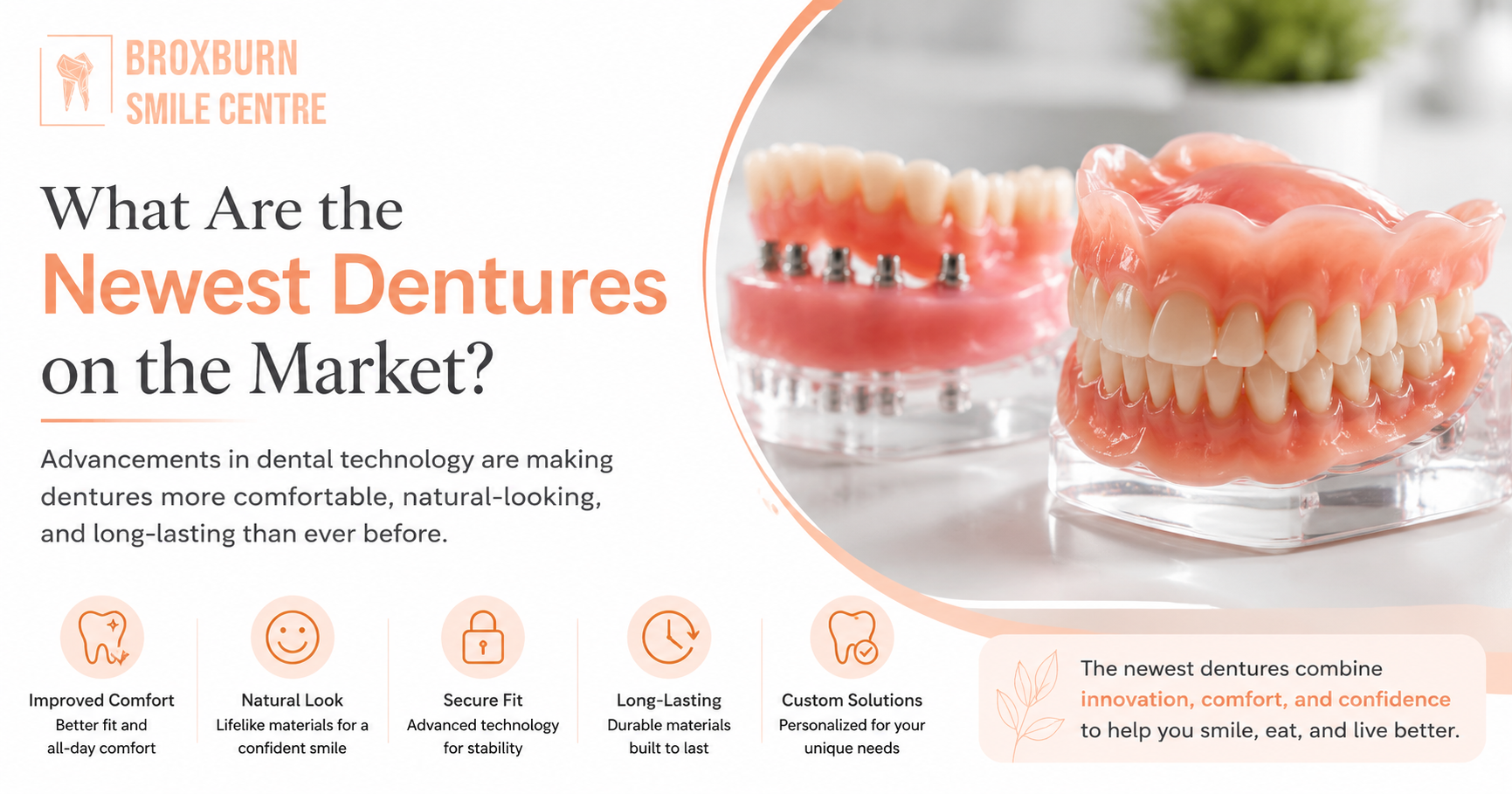
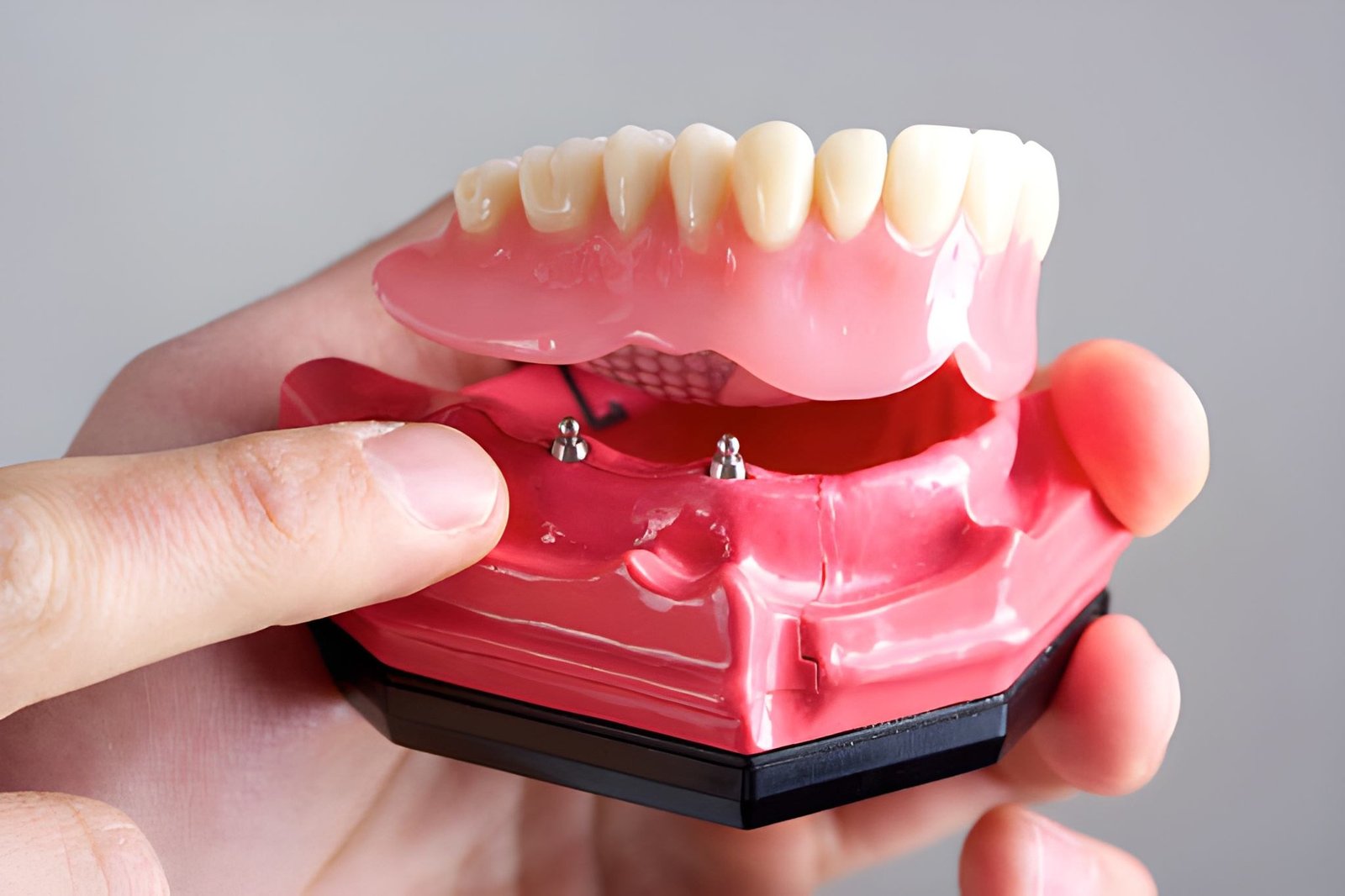
Implant dentures combine traditional dentures with dental implants for improved stability.
Benefits include:
Secure fit without adhesives
Improved chewing strength
Reduced movement while speaking
Better long-term jawbone support
They are often recommended for patients seeking maximum stability and comfort.
Are Implant Dentures Worth It?
For many patients, implant dentures provide superior comfort and function. They help maintain bone structure and eliminate many of the movement issues associated with traditional dentures.
Your suitability depends on bone health, general health, and clinical assessment.
Key Factors That Influence Denture Choice
Several factors determine the most suitable denture option:
Material quality
Type of denture (complete, partial, implant-supported)
Number of teeth replaced
Laboratory craftsmanship
Personal aesthetic goals
Overall oral health
A clinical examination is essential before deciding on treatment.
How Long Do Dentures Last?
With proper care, dentures typically last between five and ten years. Over time, natural changes in the gums and jaw may require adjustments, relining, or replacement.
Regular dental reviews help maintain comfort and function.
How to Maintain Your Dentures
To extend the lifespan of your dentures:
Clean them daily using a soft brush and a non-abrasive cleanser
Avoid hot water, which can warp materials
Store them in water or denture solution overnight
Attend annual dental check-ups
Good hygiene prevents irritation, infection, and premature wear.
When Should Dentures Be Replaced?
Consider replacement of dentures:
Become loose
Crack or chip
Cause persistent discomfort
Affect speech or chewing
Appear worn or discoloured
A dentist can assess whether a repair, reline, or full replacement is required.
Final Thoughts
Dentures remain a reliable and practical way to restore your smile and improve everyday function. The right option depends on your oral health, comfort needs, and long-term goals.
Professional guidance ensures you achieve a natural-looking, comfortable result tailored specifically to you.
Book Your Denture Consultation at Broxburn Smile Centre
If you are considering dentures or would like advice on the most suitable option for your smile, the team at Broxburn Smile Centre is here to help. We provide personalised assessments, clear treatment guidance, and carefully tailored denture solutions designed for comfort, function, and natural appearance. Contact Broxburn Smile Centre today to arrange your consultation and take the next step towards restoring your confidence and oral health.
Frequently Asked Questions
How long does it take to get dentures made?
Most denture treatments take four to eight weeks from impressions to final fitting. Implant-supported dentures may require a longer process.
Do dentures hurt at first?
Mild discomfort is common during the adjustment period. With correct fitting and follow-up visits, soreness typically improves within a few weeks.
How do I clean my dentures?
Rinse after meals, brush daily with a denture brush and cleanser, and soak overnight in a cleaning solution to maintain hygiene.
Can I sleep with my dentures in?
Most dentists recommend removing dentures overnight to allow your gums to rest and to reduce infection risk.