Can I Have All My Teeth Pulled and Get Dentures in the Uk?
Dentures, also known as false teeth, are custom-made replacements for missing teeth that restore your smile and ability to speak and eat comfortably. They can replace a few missing teeth (partial dentures) or all your teeth (full dentures). Modern dentures are more natural-looking, comfortable, and suited to individual needs than ever before.
What Dentures Are For
Dentures are designed to help regain function and aesthetics after tooth loss. They support facial structure, improve speech clarity, and allow you to chew properly. Tooth loss can result from decay, gum disease, injury, or aging, and dentures provide a viable solution to restore oral function.
Types of Dentures
Full Dentures
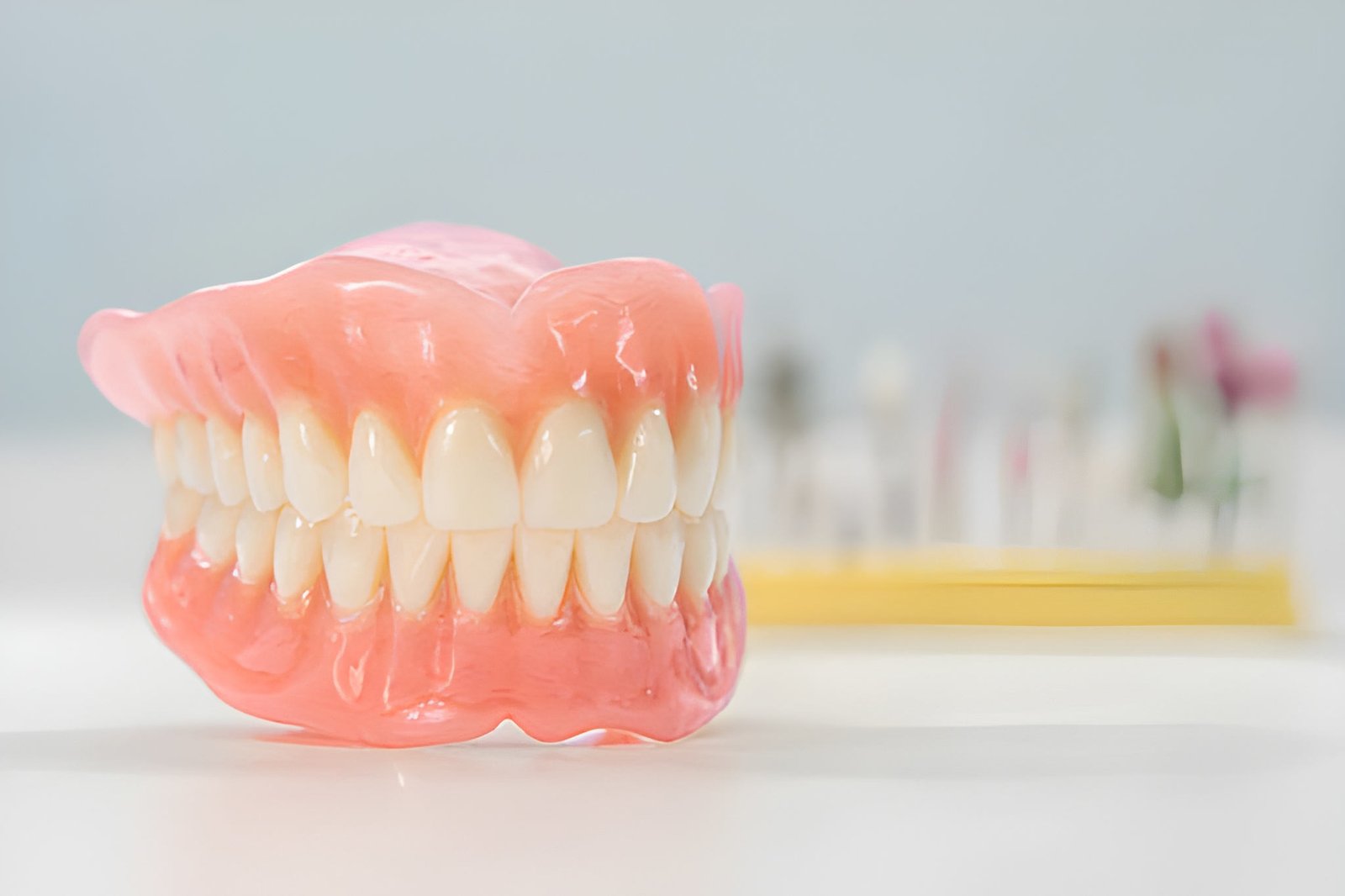
Full dentures replace all teeth in the upper or lower jaw. They rest directly on the gums and are usually made from acrylic for durability and a natural look.
Partial Dentures
These are suitable when some natural teeth remain. A partial denture fills the gaps and prevents remaining teeth from shifting position.
Immediate Dentures
Immediate dentures are made before your teeth are removed, allowing you to have teeth in place right after extraction. They serve as a temporary solution while your gums heal before a final set is fitted.
Same Day Dentures
Same-day dentures offer fast restoration, typically created and fitted in a single visit. These are ideal if you wish to minimise time without teeth, though adjustments may be needed as gums heal.
Alternatives to Dentures
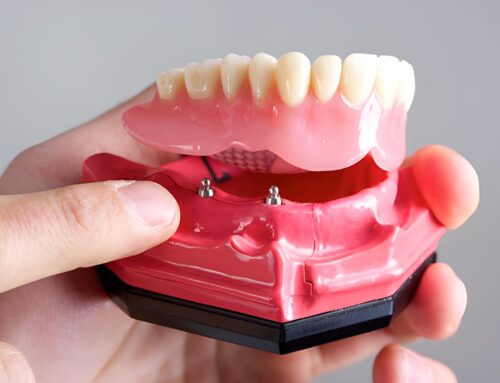
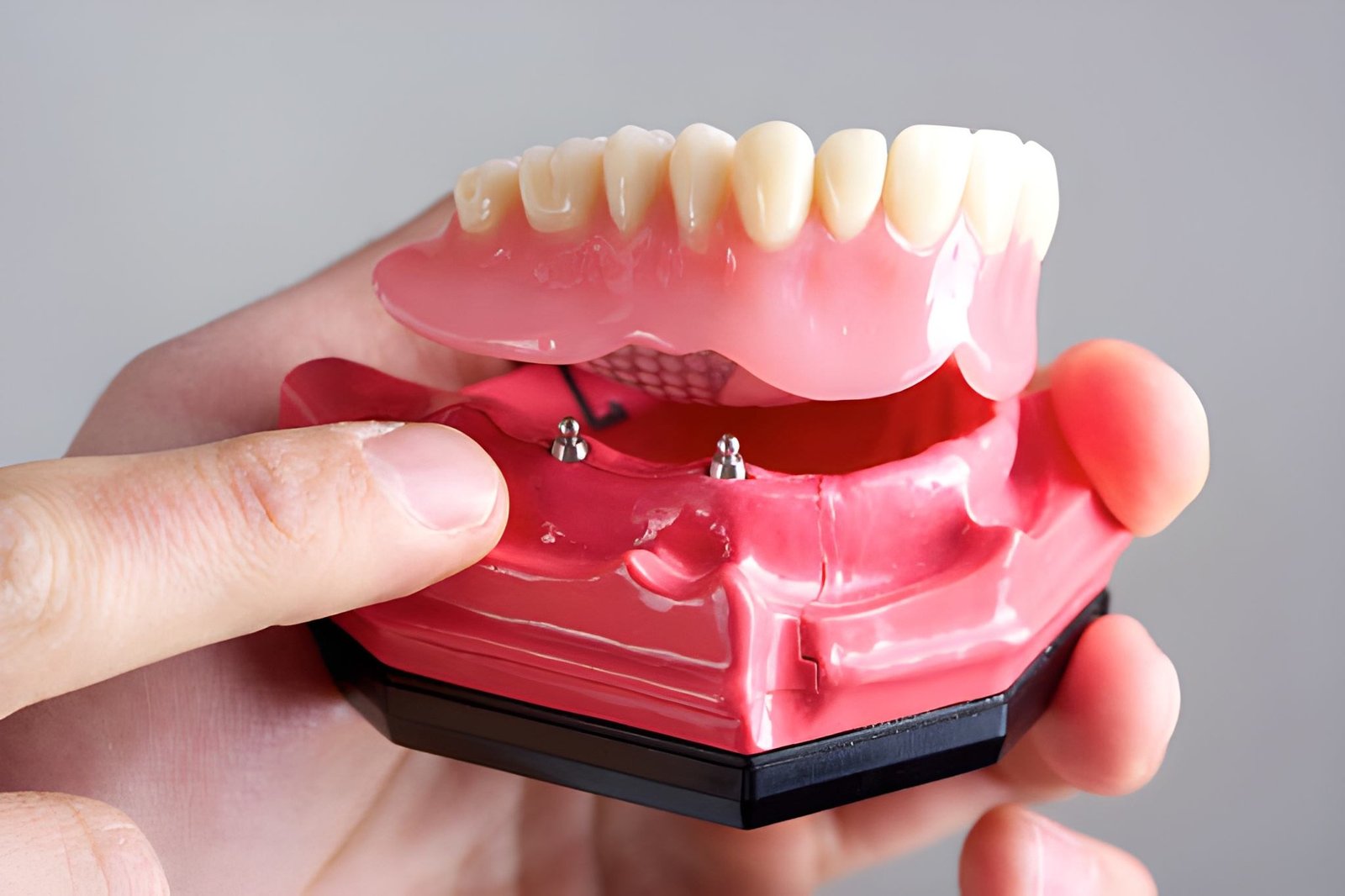
While dentures are a popular treatment option, other alternatives may better suit some individuals. Dental implants are a leading choice, providing permanent support and stability — especially for those seeking fixed teeth or implant-supported dentures. Bridges are another alternative for patients missing only a few teeth.
The Truth About Replacing All Teeth with Dentures
It is possible to have all natural teeth removed and replaced with dentures, but it is not always advisable. Natural teeth provide vital support for bone and facial structure. A dental professional will evaluate the health of your remaining teeth before recommending total replacement.
How Dentures Are Made and Fitted
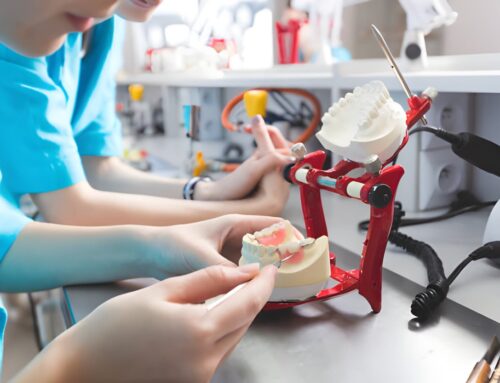
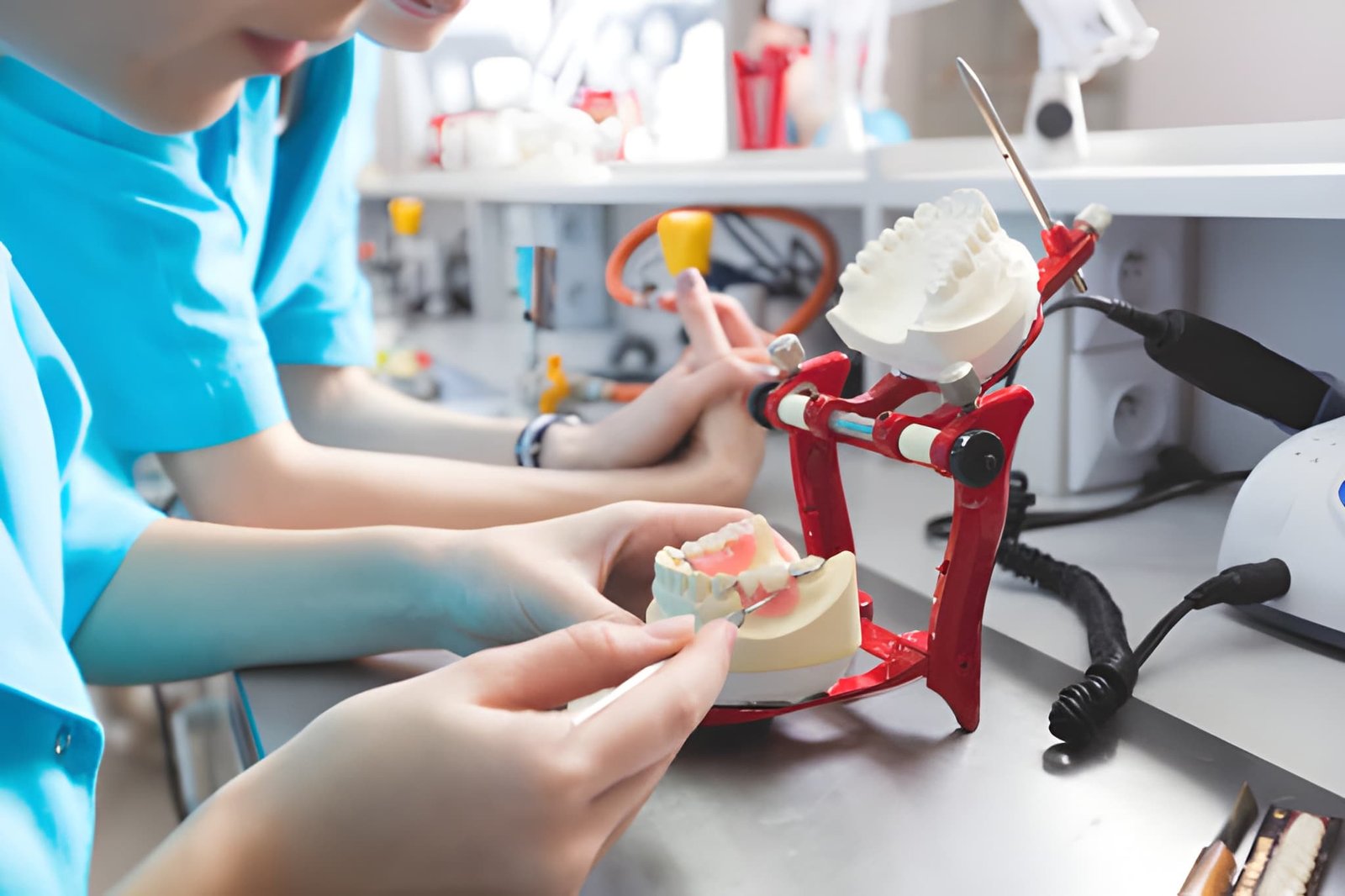
The denture-making process includes impressions, bite registration, and creating a wax model for fitting before the final set is manufactured. Once ready, adjustments ensure a comfortable and secure fit. It may take a few weeks to adapt fully to speaking and eating with new dentures.
Paying for Private Dentures
Private dentures vary in price depending on materials, design, and technology used. Costs generally range from modest acrylic sets to high-end options with enhanced aesthetics and fit. Private solutions offer greater customisation and faster turnaround compared to standard NHS fittings.
Are Dentures Available on the NHS?
Yes. The NHS offers both full and partial dentures as part of its Band 3 dental treatment. These dentures are functional and meet essential clinical standards, though private options may provide improved comfort and finishes. Eligibility depends on your dental assessment, and those on qualifying benefits may receive reduced charges or free treatment.
NHS vs Private Dentures
NHS dentures provide basic functionality at a lower cost, while private dentures prioritise fit, aesthetics, and comfort. Private care also offers advanced materials, faster appointments, and greater aftercare support. The right choice depends on budget, preferences, and dental needs.
How to Get Dentures
Start with a consultation where a dentist evaluates your oral health and discusses treatment options. From there, impressions are taken, and your dentures are crafted to match your mouth shape, bite, and appearance preferences. Follow-up visits ensure a secure fit and adjustments as needed.
How to Look After Your Dentures
Do:
- Clean dentures daily with a soft-bristle brush and denture cleaner.
- Soak them overnight in a denture solution to maintain shape and hygiene.
- Rinse dentures before placing them back into your mouth.
- Continue cleaning your gums, tongue, and natural teeth daily.
Problems Dentures Can Cause
New dentures may cause mild discomfort or gum irritation initially, which typically eases as you adjust. Ill-fitting dentures can lead to sore spots or difficulty eating, so regular check-ups are important for comfort and oral health.
When to See a Dentist
Consult a dentist if you experience persistent pain, broken dentures, or difficulty keeping them in place. It is also wise to see your dentist annually for professional cleaning and oral health inspection, even if you wear full dentures.
Enjoy a Same Day Smile
Modern techniques make it possible to enjoy a new smile within a single day. By using digital scans and precision manufacturing, same-day dentures restore function and appearance quickly—ideal for patients who cannot go without teeth even for a short time.
Restore Your Smile with Confidence
Whether through NHS or private routes, dentures provide an effective and affordable way to restore your smile and boost self-confidence. Consult a qualified dental team to explore personalised solutions suited to your needs.
Book Your Denture Consultation at Broxburn Smile Centre
If you are considering replacing missing teeth, our team at Broxburn Smile Centre can help you explore the best dentures Broxburn patients trust for comfort, function, and natural appearance. We provide personalised assessments and clear treatment plans tailored to your needs and budget.
Whether you are interested in NHS dentures, private options, or same-day solutions, we will guide you every step of the way. Contact Broxburn Smile Centre today to book your consultation and take the next step towards a confident, secure smile.
Frequently Asked Questions
1. How long do dentures last?
With proper care, dentures typically last between 5 and 10 years. Over time, gums and jawbone structure change, so replacements or relines may be necessary.
2. Can I sleep with my dentures in?
It’s generally recommended to remove dentures at night to let your gums rest and maintain oral hygiene.
3. How quickly can I get dentures after tooth extraction?
Immediate dentures can be fitted the same day after extractions, but adjustments or permanent dentures are usually made once your gums fully heal after a few months.
4. Are implant-supported dentures better than traditional dentures?
Implant-supported dentures offer superior stability, preventing slipping or discomfort while speaking or eating. They also help preserve jawbone density.
5. How much do dentures cost privately in the UK?
Costs vary, but private dentures typically range from a few hundred to several thousand pounds, depending on complexity, materials, and aesthetic requirements.